








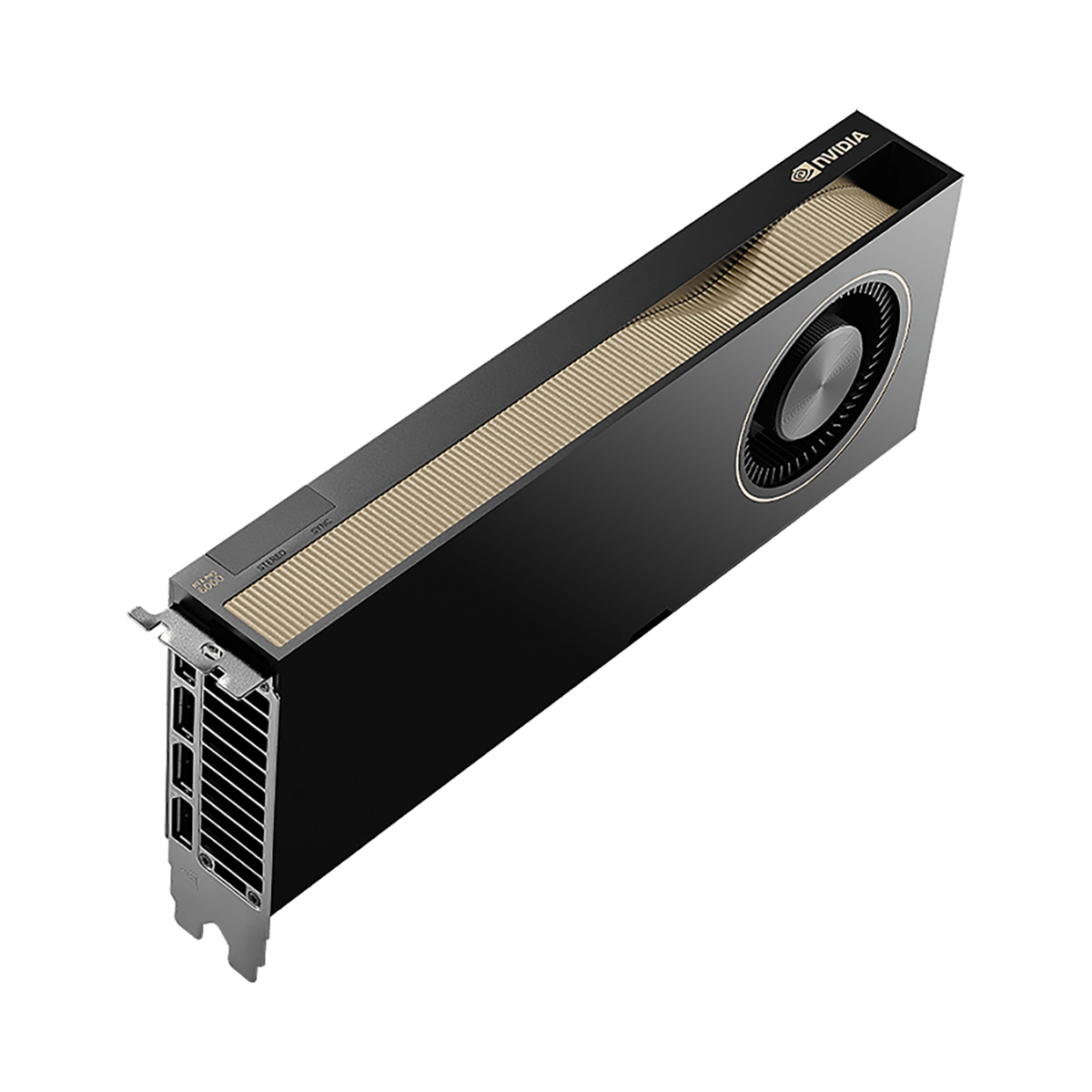

PNY NVIDIA VCNRTXPRO6000MQ-SB Gen 5.0 Dual Slot 96 GB GDDR7 OEM Workstation Graphic Card
The PNY NVIDIA VCNRTXPRO6000MQ-SB graphics card brings professional workstation performance to demanding AI, rendering, visualisation and simulation workloads. Powered by the NVIDIA Blackwell GPU architecture, it combines 96GB of GDDR7 memory with advanced Tensor and ray tracing cores, providing the processing capacity needed for complex datasets, detailed 3D projects and memory-intensive applications. Its PCI Express 5.0 interface and dual-slot form factor make it suitable for compatible high-performance workstation systems.
Key Features of NVIDIA VCNRTXPRO6000MQ-SB
NVIDIA Blackwell GPU architecture
96GB GDDR7 graphics memory with ECC
24,064 NVIDIA CUDA cores
752 fifth-generation NVIDIA Tensor Cores
188 fourth-generation NVIDIA RT Cores
512-bit memory interface
Memory bandwidth of up to 1,792GB/s
PCI Express 5.0 x16 interface
Four DisplayPort 2.1b connectors
Dual-slot, full-height form factor
300W maximum board power
Multi-Instance GPU support
Active cooling system
OEM Brown box with no accessories
NVIDIA Blackwell GPU Architecture
Built on NVIDIA Blackwell, the RTX PRO 6000 Max-Q combines dedicated processing resources for graphics, artificial intelligence and ray tracing. Its capabilities support professional applications involving complex visual content, computational workloads and advanced machine learning tasks.
96GB GDDR7 Graphics Memory
The 96GB of GDDR7 memory provides substantial capacity for large datasets, detailed 3D scenes, high-resolution assets and memory-intensive AI workloads. Error-Correcting Code (ECC) helps detect and correct memory errors, supporting data integrity during demanding professional tasks.
NVIDIA CUDA Processing
With 24,064 CUDA cores, the graphics card provides parallel processing capacity for compatible applications. This supports workloads such as scientific computing, data processing, rendering and GPU-accelerated professional software.
Fifth-Generation Tensor Cores
The 752 fifth-generation Tensor Cores provide dedicated processing for AI and deep learning workloads. Support for advanced AI computing techniques, including FP4 precision, makes the card suitable for compatible model development, inference and other accelerated computing tasks.
Fourth-Generation Ray Tracing Cores
Featuring 188 fourth-generation RT Cores, the card accelerates ray tracing calculations used in professional visualisation, 3D rendering and simulation. These dedicated cores help produce realistic lighting, reflections and shadows in supported applications.
High-Bandwidth Memory Interface
A 512-bit memory interface and bandwidth of up to 1,792GB/s provide fast access to graphics data. This is particularly useful when working with large textures, detailed models, complex simulations and substantial AI datasets.
PCI Express 5.0 Connectivity
The PCI Express 5.0 x16 interface provides high-speed communication between the graphics card and the workstation's motherboard. Compatible systems can take advantage of the increased interface bandwidth when transferring data between system components and the GPU.
Four DisplayPort 2.1b Outputs
Four DisplayPort 2.1b connectors allow the graphics card to connect to multiple professional displays. This supports workstation environments used for detailed visualisation, content creation, engineering applications and multi-screen productivity.
Multi-Instance GPU Support
Multi-Instance GPU technology allows the available GPU resources to be divided into separate instances for supported workloads. The card supports configurations of up to four 24GB instances, two 48GB instances or one 96GB instance, providing flexibility for compatible multi-user and application environments.
Max-Q Power Profile
The Max-Q version operates with a maximum board power of 300W, providing a lower-power alternative within the RTX PRO 6000 Blackwell family. This makes it suitable for compatible workstation configurations where GPU performance and power requirements need to be considered together.
Dual-Slot Workstation Form Factor
The full-height, dual-slot form factor measures approximately 4.4 inches high by 10.5 inches long. Workstation compatibility should be checked before installation, including available expansion space, chassis clearance, motherboard support and power delivery.
Active Cooling System
An active cooling system helps manage heat generated during graphics processing and sustained computational workloads. Adequate airflow within the workstation chassis is important to support reliable operation under demanding conditions.
Professional AI and Data Workloads
The combination of high-capacity GDDR7 memory, CUDA processing and dedicated Tensor Cores makes the card suitable for compatible AI development, model inference, data science and computational workloads. Its memory capacity also provides room for large models and datasets to be handled directly by the GPU.
Rendering, Visualisation and Simulation
Dedicated ray tracing hardware and substantial parallel processing resources support professional rendering and visualisation workflows. The card can be used with compatible applications for 3D content creation, engineering visualisation, complex simulations and other GPU-intensive tasks.
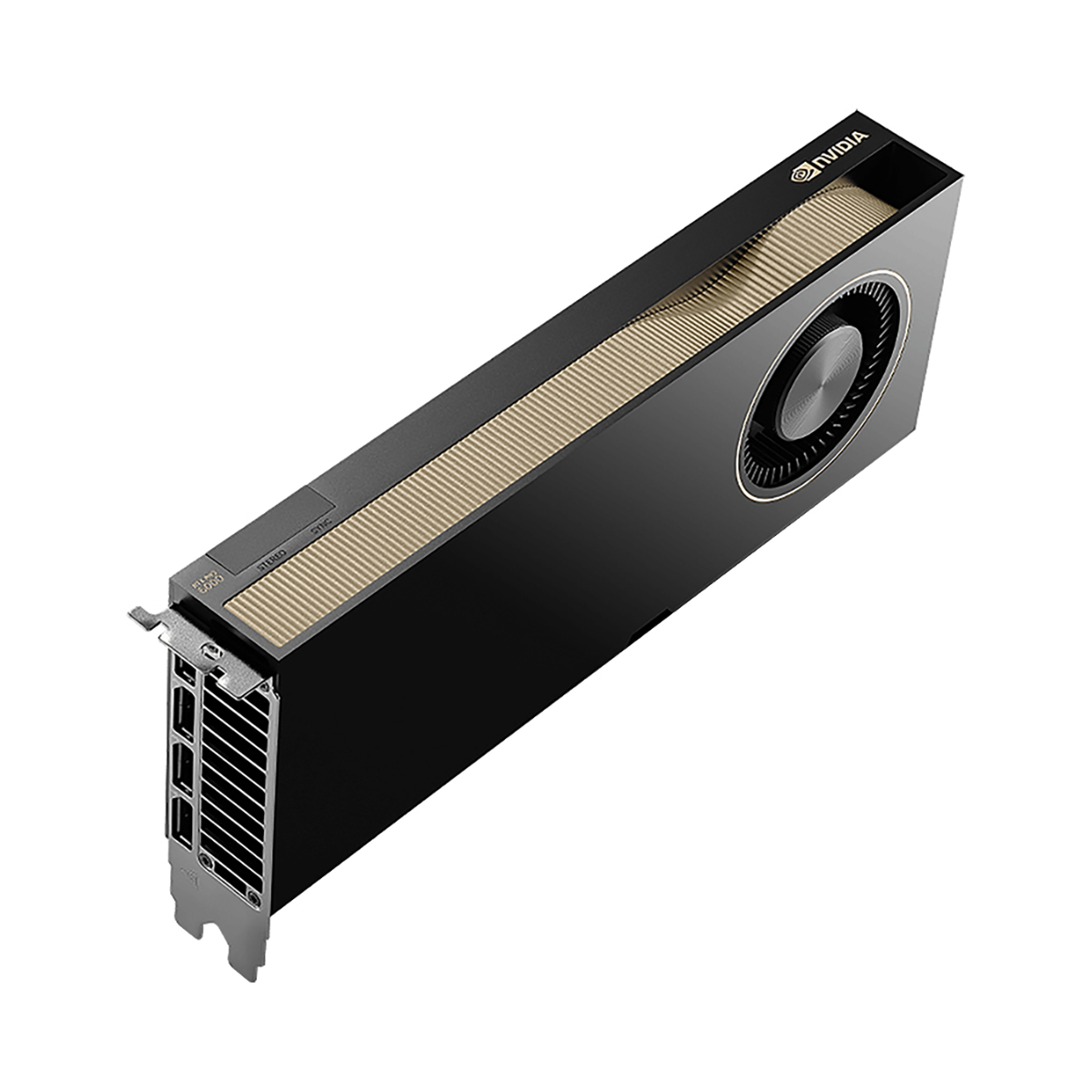
NVIDIA VCNRTXPRO6000MQ-PB Gen 5.0 Dual Slot 96 GB GDDR7 Workstation Graphic Card
The PNY NVIDIA VCNRTXPRO6000MQ-PB graphics card delivers high-performance GPU computing for professional workstations handling demanding AI, rendering, simulation and visualisation workloads. Powered by NVIDIA Blackwell, it combines 96GB of GDDR7 memory with 24,064 CUDA cores, fifth-generation Tensor Cores and fourth-generation Ray Tracing Cores. Its PCI Express 5.0 interface, 300W power rating and dual-slot form factor make it suitable for compatible workstation systems requiring substantial graphics memory and accelerated processing.
Key Features of NVIDIA VCNRTXPRO6000MQ-PB
NVIDIA Blackwell GPU architecture
96GB GDDR7 graphics memory with ECC
24,064 NVIDIA CUDA cores
752 fifth-generation NVIDIA Tensor Cores
188 fourth-generation NVIDIA RT Cores
512-bit memory interface
1,792GB/s memory bandwidth
PCI Express 5.0 x16 interface
Four DisplayPort 2.1b connectors
Supports up to four simultaneous 4K displays at 165Hz
Multi-Instance GPU support
Up to 351 AI TOPS with supported precision and sparsity
300W maximum board power
Active cooling system
Full-height, dual-slot form factor
NVIDIA Blackwell GPU Architecture
Based on NVIDIA Blackwell, the RTX PRO 6000 Max-Q combines dedicated graphics, AI and ray tracing processing capabilities. This provides the computing resources required for professional applications involving complex visual content, large datasets, scientific workloads and advanced AI development.
96GB GDDR7 Graphics Memory
The 96GB of GDDR7 memory provides substantial capacity for large datasets, detailed 3D scenes, high-resolution textures and memory-intensive AI models. Error-Correcting Code (ECC) helps identify and correct memory errors, supporting data integrity during demanding workstation operations.
NVIDIA CUDA Processing Cores
With 24,064 CUDA cores, the graphics card delivers extensive parallel processing capacity for compatible professional applications. These cores support GPU-accelerated computing tasks, including scientific calculations, rendering, data processing and complex simulations.
Fifth-Generation Tensor Cores
The 752 fifth-generation Tensor Cores provide dedicated acceleration for AI and deep learning workloads. Support for advanced precision formats, including FP4, helps accelerate compatible AI model development, inference and other machine learning applications.
Fourth-Generation Ray Tracing Cores
Featuring 188 fourth-generation RT Cores, the card accelerates ray tracing calculations used in professional rendering and visualisation. These dedicated processing units support realistic lighting, reflections and shadows in compatible 3D applications and content creation software.
High-Bandwidth Memory Interface
A 512-bit memory interface delivers bandwidth of up to 1,792GB/s, allowing the GPU to access large volumes of graphics data at high speed. This is particularly useful when handling complex models, substantial textures, detailed visual scenes and large AI datasets.
PCI Express 5.0 Connectivity
The PCI Express 5.0 x16 interface provides high-speed communication between the graphics card and a compatible workstation motherboard. Its bandwidth supports demanding data transfers between the GPU, system memory and other workstation components.
Four DisplayPort 2.1b Outputs
Four DisplayPort 2.1b connectors provide support for multiple professional monitors. The card can drive more than four 3840 x 2160 displays at 165Hz or more than two 7680 x 4320 displays at 100Hz, subject to display configuration and system compatibility.
Multi-Instance GPU Technology
Multi-Instance GPU (MIG) support allows the available GPU resources to be divided into separate instances for compatible workloads. Configurations include up to four 24GB instances, two 48GB instances or one 96GB instance, providing flexibility for supported multi-user and application environments.
AI Processing Performance
With up to 351 AI TOPS using supported precision and sparsity features, the graphics card provides dedicated processing capacity for AI applications. Its combination of Tensor Cores and high-capacity memory supports compatible generative AI, deep learning, model inference and data science workloads.
Professional Rendering and Visualisation
The combination of CUDA processing, dedicated ray tracing hardware and 96GB of graphics memory supports demanding rendering and visualisation projects. It is suitable for compatible 3D content creation, animation, engineering visualisation and detailed digital environments.
Video Encoding and Decoding
Multiple dedicated video engines support professional media workflows. The card incorporates ninth-generation NVIDIA NVENC encoders and sixth-generation NVDEC decoders, helping accelerate supported video encoding, decoding and production tasks.
300W Power Consumption
With a maximum total board power of 300W, the Max-Q model provides a lower-power configuration within the RTX PRO 6000 Blackwell family. The card uses a PCIe CEM5 16-pin power connector, so the workstation's power supply and available connections should be checked before installation.
Active Cooling System
An active cooling system helps regulate GPU temperatures during sustained graphics and computing workloads. Suitable workstation airflow and chassis ventilation are important to maintain appropriate operating conditions when the card is under load.
Full-Height Dual-Slot Form Factor
The full-height, dual-slot card measures approximately 4.4 inches high by 10.5 inches long. Its form factor allows installation in compatible workstation chassis, subject to available expansion space, card clearance and motherboard support.
Professional Application Compatibility
Support for graphics and computing APIs including DirectX 12, OpenGL, Vulkan, CUDA and OpenCL allows the card to work with a broad range of compatible professional applications. This makes it suitable for workflows spanning computer-aided design, scientific computing, visual effects and AI development.
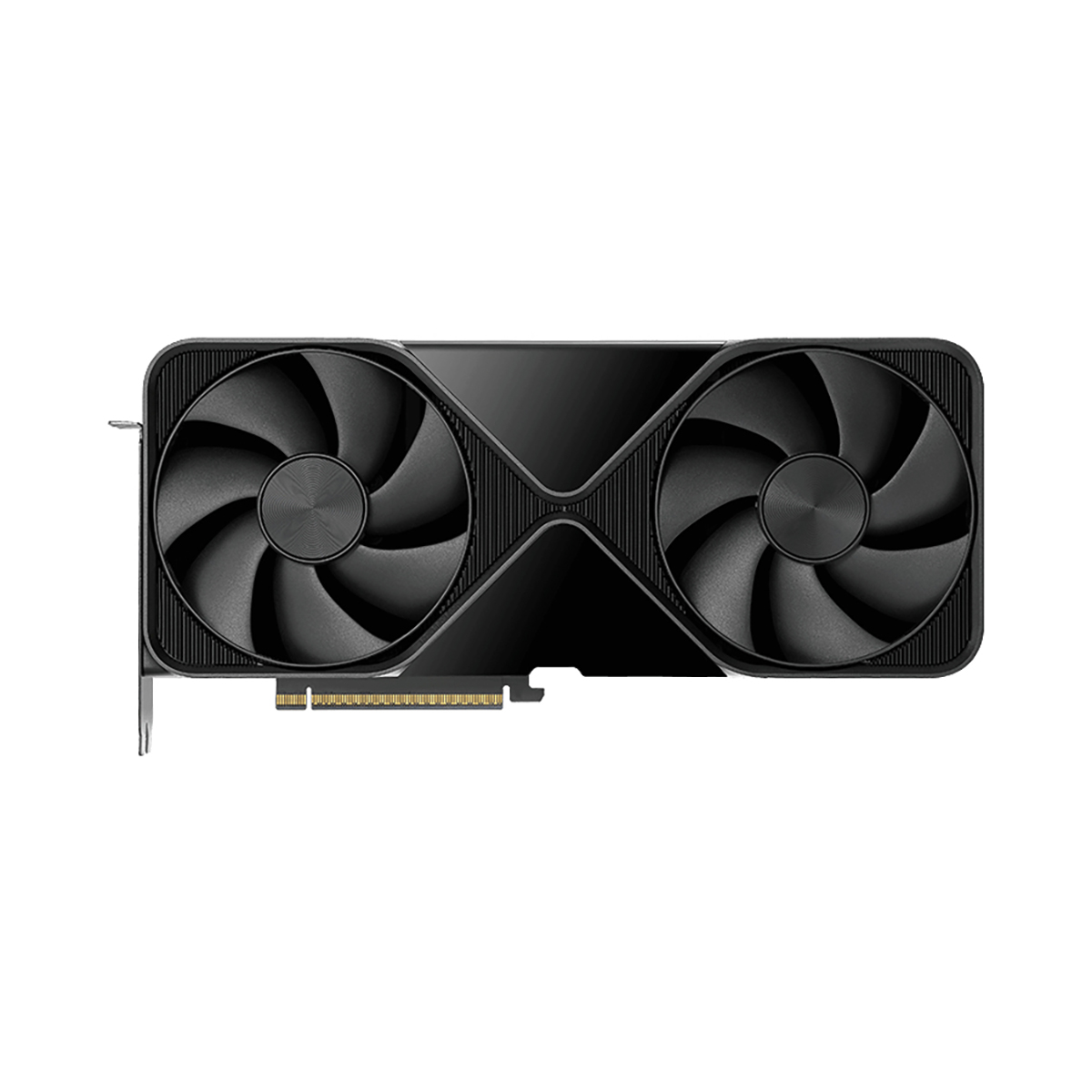
PNY NVIDIA VCNRTXPRO6000-SB Gen 5.0 Dual Slot 96 GB GDDR7 OEM Workstation Graphic Card
The PNY NVIDIA VCNRTXPRO6000-SB graphics card delivers exceptional processing capacity for professional workstations handling advanced AI, 3D rendering, scientific computing and demanding visualisation workloads. Powered by NVIDIA Blackwell, it combines 96GB of GDDR7 memory with 24,064 CUDA cores, fifth-generation Tensor Cores and fourth-generation Ray Tracing Cores. With PCI Express 5.0 connectivity, up to 4,000 AI TOPS and a 600W power rating, it provides substantial GPU resources for intensive professional applications.
Key Features of NVIDIA VCNRTXPRO6000-SB
NVIDIA Blackwell GPU architecture
96GB GDDR7 graphics memory with ECC
24,064 NVIDIA CUDA cores
752 fifth-generation NVIDIA Tensor Cores
188 fourth-generation NVIDIA RT Cores
Up to 4,000 AI TOPS with FP4 and sparsity
125 TFLOPS single-precision performance
380 TFLOPS ray tracing performance
512-bit memory interface
1,792GB/s memory bandwidth
PCI Express 5.0 x16 interface
Four DisplayPort 2.1b connectors
Multi-Instance GPU support
Four ninth-generation NVENC encoders
Four sixth-generation NVDEC decoders
600W maximum board power
Double-flow-through cooling system
OEM Brown box with no accessories
NVIDIA Blackwell GPU Technology
Based on NVIDIA Blackwell, the RTX PRO 6000 combines dedicated processing resources for graphics, artificial intelligence and ray tracing. Its GPU capabilities support demanding professional applications, from complex 3D projects and scientific calculations to large-scale AI workloads.
96GB GDDR7 Graphics Memory
The 96GB of GDDR7 memory provides substantial capacity for large datasets, detailed 3D scenes, high-resolution textures and memory-intensive AI models. Error-Correcting Code (ECC) helps detect and correct memory errors, supporting data integrity during demanding workstation operations.
NVIDIA CUDA Processing Cores
Featuring 24,064 CUDA cores, the graphics card delivers extensive parallel processing capacity for compatible professional applications. These cores accelerate computational workloads such as scientific modelling, data processing, rendering and complex simulations.
Fifth-Generation Tensor Cores
The 752 fifth-generation Tensor Cores provide dedicated acceleration for artificial intelligence and deep learning workloads. Support for FP4 precision and sparsity helps increase processing throughput in compatible AI applications, including model development and inference.
Up to 4,000 AI TOPS
With up to 4,000 AI TOPS using FP4 precision with sparsity, the graphics card provides substantial AI processing capacity. This performance supports demanding generative AI, machine learning, deep learning and inference workloads in compatible software environments.
Fourth-Generation Ray Tracing Cores
Featuring 188 fourth-generation RT Cores, the card accelerates ray tracing calculations used in professional rendering and visualisation. These dedicated processing units support realistic lighting, reflections and shadows in compatible 3D applications and digital content workflows.
High-Bandwidth Memory Interface
The 512-bit memory interface delivers bandwidth of up to 1,792GB/s, allowing the GPU to access large volumes of graphics data at high speed. This is particularly useful when handling detailed models, complex textures, extensive datasets and memory-intensive simulations.
PCI Express 5.0 Connectivity
The PCI Express 5.0 x16 interface provides high-speed communication between the graphics card and a compatible workstation motherboard. Its bandwidth supports demanding data transfers between the GPU, system memory and other workstation components.
Four DisplayPort 2.1b Outputs
Four DisplayPort 2.1b connectors provide support for multiple professional monitors. The card supports configurations including more than four 4096 x 2160 displays at 120Hz, more than four 5120 x 2880 displays at 60Hz and more than two 7680 x 4320 displays at 60Hz, subject to system and display compatibility.
Multi-Instance GPU Technology
Multi-Instance GPU (MIG) support allows the available GPU resources to be divided into separate instances for compatible workloads. Configurations include up to four 24GB instances, two 48GB instances or one 96GB instance, providing flexibility for supported multi-user and application environments.
Professional Video Processing
Four ninth-generation NVIDIA NVENC encoders and four sixth-generation NVDEC decoders provide dedicated video processing capabilities. These engines accelerate supported encoding and decoding workflows, including professional video production and media processing applications.
Single-Precision Computing Performance
With up to 125 TFLOPS of single-precision performance, the graphics card supports demanding GPU-accelerated calculations. This processing capacity is useful for compatible scientific applications, engineering workloads, simulations and other computational tasks.
Advanced Rendering and Visualisation
The combination of CUDA cores, Tensor Cores, ray tracing hardware and 96GB of graphics memory supports demanding visualisation and rendering projects. Professional users can work with detailed 3D models, complex lighting effects, high-resolution assets and large digital environments.
600W Power Consumption
The full Workstation Edition has a maximum total board power of 600W. It uses a PCIe CEM5 16-pin power connector, so the workstation's power supply, available power connection and overall system requirements should be checked before installation.
Double-Flow-Through Cooling
The double-flow-through thermal system helps manage heat generated during intensive GPU workloads. It directs airflow through the card to support cooling during sustained graphics, AI and computational operations. Suitable chassis ventilation is important for maintaining appropriate operating temperatures.
Extended-Height Dual-Slot Form Factor
The graphics card measures approximately 5.4 inches high by 12 inches long and occupies two expansion slots. Its extended-height, full-height form factor requires a compatible workstation chassis with sufficient clearance, expansion space and airflow.
Professional Graphics and Compute APIs
Support for DirectX 12, OpenGL 4.6, Vulkan 1.4, CUDA and OpenCL 3.0 allows the card to work with a wide range of compatible professional applications. These interfaces support graphics rendering, GPU computing, scientific workloads and visual content production.
Workstation System Requirements
Installation requires a compatible PCI Express 5.0 x16 expansion slot, a suitable 16-pin GPU power connection and a power supply capable of supporting the card's 600W board power requirement. NVIDIA recommends system memory equal to or greater than the GPU memory, with twice the GPU memory recommended. Adequate chassis clearance and cooling capacity should also be confirmed.
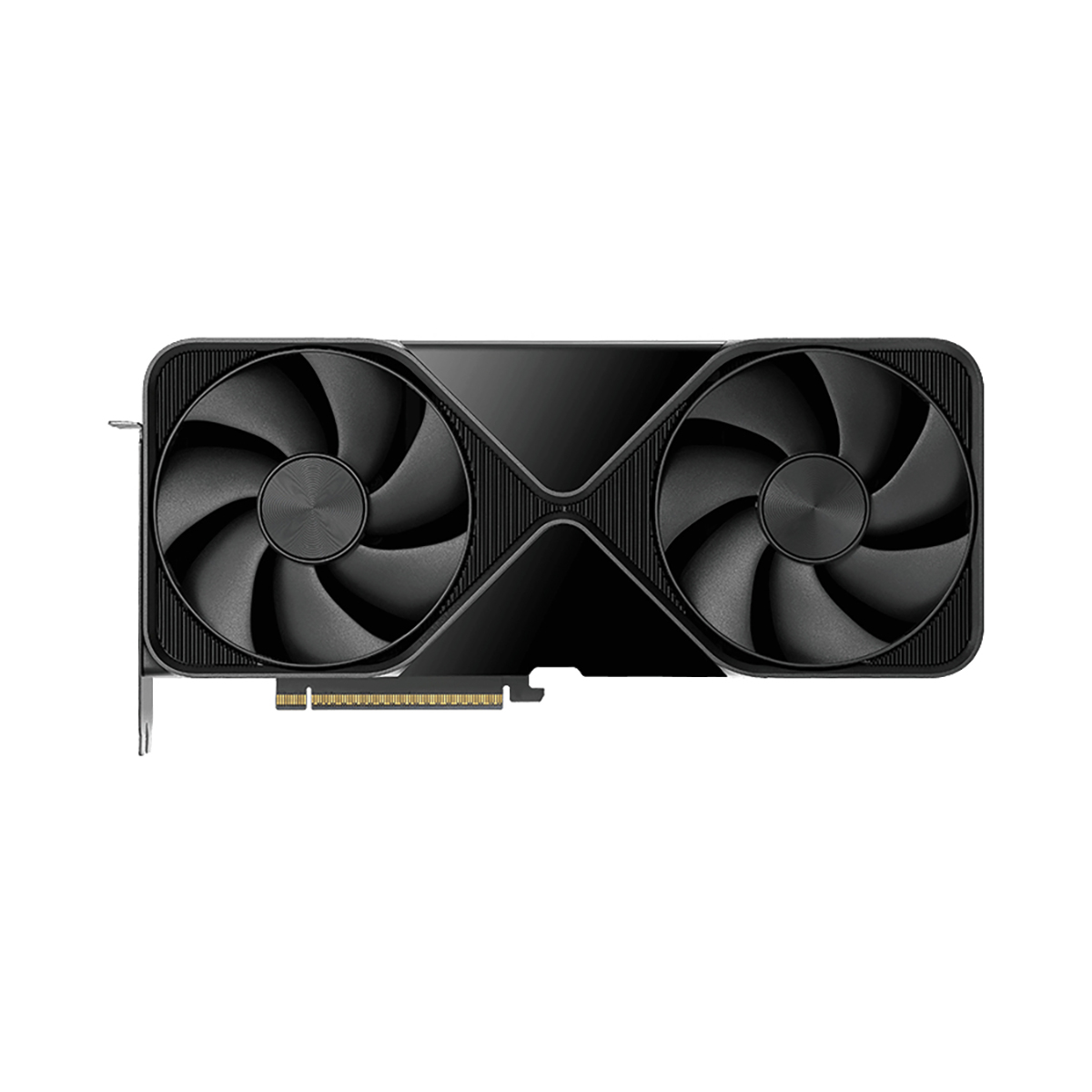
NVIDIA VCNRTXPRO6000-PB Gen 5.0 Dual Slot 96GB GDDR7 Workstation Graphic Card
The PNY NVIDIA VCNRTXPRO6000-PB graphics card delivers exceptional processing power for professional workstations handling advanced artificial intelligence, 3D rendering, scientific computing and demanding visualisation workloads. Featuring NVIDIA Blackwell technology, 96GB of GDDR7 memory and 24,064 CUDA cores, it provides substantial GPU resources for complex applications and large datasets. With PCI Express 5.0 connectivity, up to 4,000 AI TOPS and dedicated ray tracing hardware, this workstation graphics card supports intensive professional computing and graphics tasks.
Key Features of NVIDIA RTX PRO 6000 Blackwell Workstation Edition
NVIDIA Blackwell GPU technology
96GB GDDR7 graphics memory with ECC
24,064 NVIDIA CUDA cores
752 fifth-generation NVIDIA Tensor Cores
188 fourth-generation NVIDIA RT Cores
Up to 4,000 AI TOPS with FP4 and sparsity
125 TFLOPS single-precision performance
380 TFLOPS ray tracing performance
512-bit memory interface
1,792GB/s memory bandwidth
PCI Express 5.0 x16 interface
Four DisplayPort 2.1b connectors
Multi-Instance GPU support
Four ninth-generation NVIDIA NVENC encoders
Four sixth-generation NVIDIA NVDEC decoders
AI Management Processor
600W maximum board power
Double-flow-through cooling system
Full-height, extended-height dual-slot form factor
Auxiliary power cable included
NVIDIA Blackwell GPU Technology
Powered by NVIDIA Blackwell, the graphics card combines dedicated processing resources for artificial intelligence, professional graphics and ray tracing. These capabilities support demanding workstation applications, including complex simulations, digital content creation, scientific computing and advanced visualisation.
96GB GDDR7 Graphics Memory
The 96GB of GDDR7 memory provides substantial capacity for large datasets, high-resolution textures, detailed 3D scenes and memory-intensive AI models. Error-Correcting Code (ECC) helps detect and correct memory errors, supporting data integrity during demanding professional workloads.
NVIDIA CUDA Processing Cores
Featuring 24,064 CUDA cores, the card delivers extensive parallel processing capacity for compatible professional applications. These cores accelerate computational tasks such as scientific calculations, rendering, data processing, engineering simulations and GPU-intensive software.
Fifth-Generation Tensor Cores
The 752 fifth-generation Tensor Cores provide dedicated acceleration for artificial intelligence and deep learning workloads. Support for FP4 precision and sparsity helps increase processing throughput in compatible applications, including AI model development, machine learning and inference.
Up to 4,000 AI TOPS
With up to 4,000 AI TOPS using FP4 precision with sparsity, the graphics card provides substantial AI processing capacity. This supports demanding generative AI, deep learning, machine learning and model inference workloads in compatible software environments.
Fourth-Generation Ray Tracing Cores
Featuring 188 fourth-generation RT Cores, the card accelerates ray tracing calculations used in professional rendering and visualisation. These dedicated processing units support realistic lighting, reflections and shadows in compatible 3D applications, animation software and digital content workflows.
High-Bandwidth Memory Interface
The 512-bit memory interface delivers bandwidth of up to 1,792GB/s, allowing the GPU to access large volumes of graphics data at high speed. This is particularly useful when working with detailed models, extensive textures, complex visual scenes and large AI datasets.
PCI Express 5.0 Connectivity
The PCI Express 5.0 x16 interface provides high-speed communication between the graphics card and a compatible workstation motherboard. This supports demanding data transfers between the GPU, system memory and other workstation components.
Four DisplayPort 2.1b Outputs
Four DisplayPort 2.1b connectors provide connectivity for multiple professional monitors. The card supports high-resolution display configurations, making it suitable for workstations used for detailed visualisation, engineering applications, content production and multi-screen productivity.
Multi-Instance GPU Technology
Multi-Instance GPU (MIG) support allows the available GPU resources to be divided into separate instances for compatible workloads. Supported configurations include up to four 24GB instances, two 48GB instances or one 96GB instance, providing flexibility for applications requiring separate GPU resources.
AI Management Processor
The integrated AI Management Processor provides dedicated management capabilities for supported AI workloads. Combined with the Tensor Cores and high-capacity GDDR7 memory, it supports professional environments running demanding artificial intelligence applications.
Professional Video Processing
Four ninth-generation NVIDIA NVENC encoders and four sixth-generation NVDEC decoders provide dedicated video processing capabilities. These engines accelerate supported encoding and decoding tasks, including professional video production, content creation and media processing.
Rendering and 3D Visualisation
The combination of CUDA cores, dedicated ray tracing hardware and 96GB of graphics memory supports demanding rendering and visualisation projects. Professional users can work with detailed 3D models, complex lighting effects, high-resolution assets and extensive digital environments.
Scientific Computing and Simulation
High parallel processing capacity and substantial graphics memory make the card suitable for compatible scientific and engineering applications. Workloads such as computational fluid dynamics, physical simulations, data analysis and complex modelling can benefit from its dedicated GPU processing resources.
600W Maximum Board Power
The full Workstation Edition has a maximum total board power of 600W. It uses a PCIe CEM5 16-pin power connector, so the workstation's power supply and available power connection must be checked before installation.
Double-Flow-Through Cooling System
The double-flow-through thermal system uses dual airflow paths to manage heat generated during demanding graphics and computational workloads. Suitable chassis ventilation is important to maintain appropriate operating temperatures during sustained GPU activity.
Extended-Height Dual-Slot Form Factor
The graphics card measures approximately 5.4 inches high by 12 inches long and occupies two expansion slots. Its extended-height, full-height form factor requires a compatible workstation chassis with sufficient physical clearance, expansion space and airflow.
Professional Graphics and Computing Support
Support for DirectX 12, OpenGL 4.6, Vulkan 1.4, CUDA and OpenCL 3.0 allows the card to work with a broad range of compatible professional applications. These interfaces support graphics rendering, GPU computing, scientific workloads and professional content production.
Workstation Compatibility
Installation requires a compatible PCI Express 5.0 x16 expansion slot, a suitable 16-pin GPU power connection and a power supply capable of supporting the card's 600W board power requirement. NVIDIA recommends system memory equal to or greater than the GPU memory, with twice the GPU memory recommended. Adequate chassis clearance and cooling capacity should also be confirmed.
Included Accessories
The packaged version includes the NVIDIA RTX PRO 6000 Blackwell Workstation Edition graphics card and an auxiliary power cable. Check the supplier's listing for the exact cable configuration and any additional accessories supplied with the product.
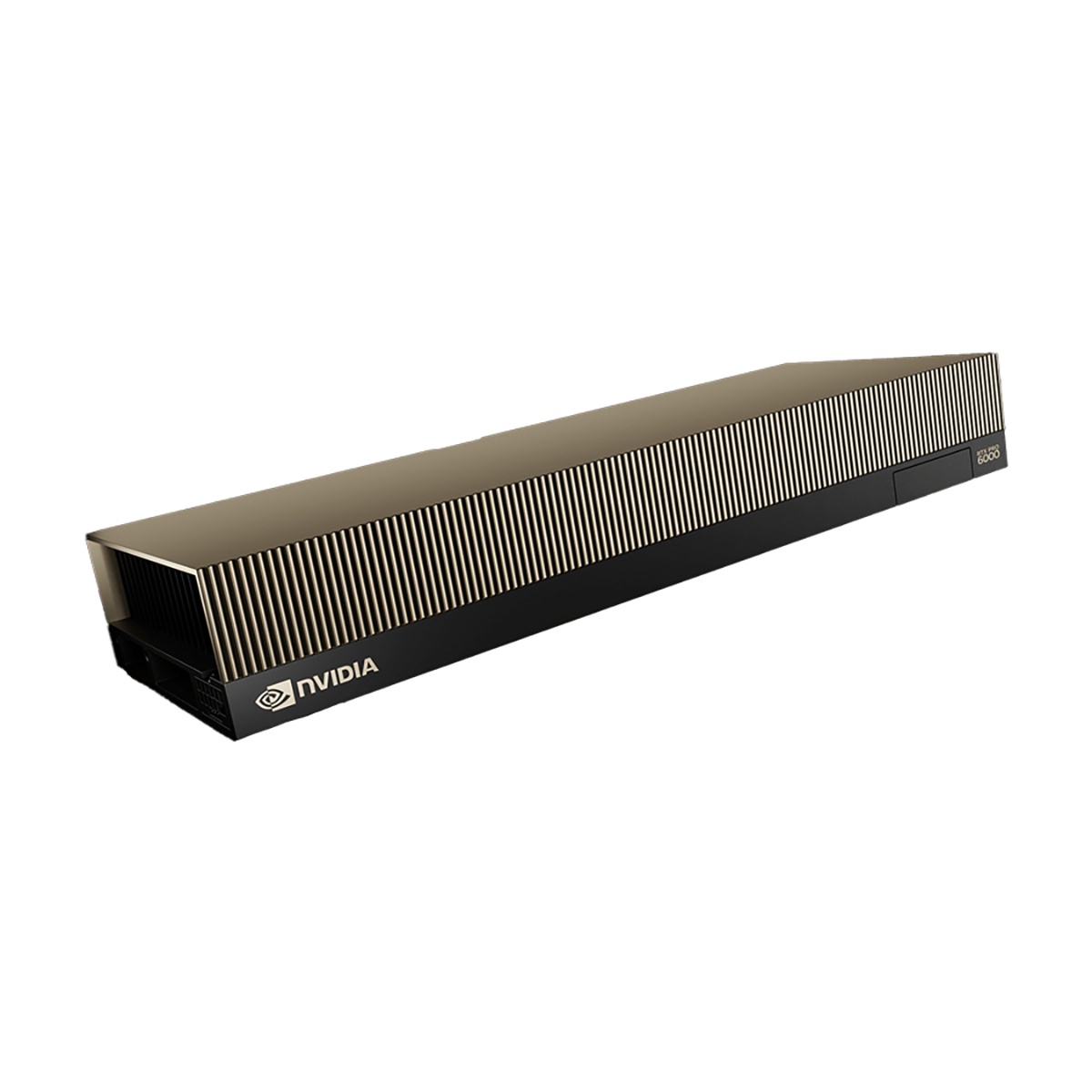
NVIDIA TCSRTXPRO6000SE-BLK Gen 5.0 Dual Slot 96GB GDDR7 Server Graphics Card - 8 Units
The PNY NVIDIA TCSRTXPRO6000SE-BLK server graphics card provides high-performance GPU computing for data centre environments, AI infrastructure and demanding visual computing workloads. Supplied as an eight-unit quantity, this package features eight NVIDIA RTX PRO 6000 Blackwell Server Edition graphics cards, each equipped with 96GB of GDDR7 memory with ECC, 24,064 CUDA cores and fifth-generation Tensor Cores. With PCI Express 5.0 connectivity, passive cooling and up to 4 PFLOPS of FP4 AI performance per card, it delivers substantial processing capacity for compatible server platforms.
Key Features of NVIDIA TCSRTXPRO6000SE-BLK
Eight NVIDIA RTX PRO 6000 Blackwell Server Edition graphics cards
96GB GDDR7 memory with ECC per card
24,064 NVIDIA CUDA cores per card
752 fifth-generation NVIDIA Tensor Cores per card
188 fourth-generation NVIDIA RT Cores per card
Up to 4 PFLOPS FP4 AI performance per card
120 TFLOPS single-precision performance per card
355 TFLOPS ray tracing performance per card
512-bit memory interface
1,597GB/s memory bandwidth per card
PCI Express 5.0 x16 interface
Four DisplayPort 2.1 outputs per card
Multi-Instance GPU support, up to four 24GB instances per card
Four ninth-generation NVENC encoders per card
Four sixth-generation NVDEC decoders per card
Passive cooling system
Configurable power consumption from 400W to 600W per card
NVIDIA Blackwell GPU Technology
Powered by NVIDIA Blackwell, the RTX PRO 6000 Server Edition combines dedicated processing resources for artificial intelligence, graphics rendering and ray tracing. These capabilities support demanding server workloads, including generative AI, scientific computing, advanced visualisation and GPU-accelerated applications.
Eight-Card Server Configuration
This package contains eight RTX PRO 6000 Blackwell Server Edition graphics cards, allowing compatible server platforms to accommodate substantial GPU processing capacity. Each card operates as an individual GPU with its own 96GB memory allocation. The combined installed memory across all eight cards is 768GB, although this is not automatically presented as one unified memory pool.
96GB GDDR7 Graphics Memory
Each graphics card features 96GB of GDDR7 memory with Error-Correcting Code (ECC). This high-capacity memory supports large AI models, extensive datasets, complex simulations and demanding visual computing tasks. ECC helps detect and correct memory errors, supporting data integrity during sustained server operations.
NVIDIA CUDA Processing Cores
With 24,064 CUDA cores per card, the RTX PRO 6000 provides extensive parallel processing capacity for compatible applications. CUDA acceleration supports scientific calculations, data processing, rendering, simulation and other GPU-intensive computing workloads.
Fifth-Generation Tensor Cores
The 752 fifth-generation Tensor Cores in each card provide dedicated acceleration for artificial intelligence and deep learning workloads. Support for advanced precision formats, including FP4, helps increase processing throughput in compatible AI applications.
Up to 4 PFLOPS AI Performance
Each card delivers up to 4 PFLOPS of peak FP4 AI performance. Across eight cards, the theoretical aggregate peak is up to 32 PFLOPS, subject to compatible software, workload distribution and system configuration. This processing capacity supports demanding generative AI, model inference and machine learning applications.
Fourth-Generation Ray Tracing Cores
Each graphics card incorporates 188 fourth-generation RT Cores to accelerate ray tracing calculations. These dedicated processing units support realistic lighting, reflections and shadows in compatible rendering and visualisation applications.
High-Bandwidth GDDR7 Memory
The 512-bit memory interface delivers bandwidth of approximately 1,597GB/s per card. This allows rapid access to graphics data and supports workloads involving large datasets, detailed models, complex simulations and memory-intensive AI processing.
PCI Express 5.0 Connectivity
The PCI Express 5.0 x16 interface provides high-speed communication between each graphics card and the server platform. With bidirectional bandwidth of up to 128GB/s, it supports demanding data transfers between GPU resources and compatible system components.
Multi-Instance GPU Technology
Multi-Instance GPU (MIG) support allows each graphics card to be divided into separate GPU instances for compatible workloads. The RTX PRO 6000 Server Edition supports up to four 24GB instances per card, allowing computing resources to be allocated across multiple applications or users.
Four DisplayPort 2.1 Outputs
Each card features four DisplayPort 2.1 connectors for supported display configurations. These outputs provide connectivity for professional visualisation and monitoring applications where direct display connections are required.
Professional Video Processing
Four ninth-generation NVIDIA NVENC encoders and four sixth-generation NVDEC decoders are included on each card. Dedicated video engines accelerate supported encoding and decoding workloads, including media processing, video streaming and professional content production.
Passive Cooling System
The server edition uses passive cooling rather than an onboard active fan. It relies on the server chassis airflow system to remove heat from the graphics cards. Compatible server platforms must provide suitable front-to-back airflow and thermal management for all eight installed units.
Configurable Power Consumption
Each graphics card supports configurable power consumption between 400W and 600W, depending on the server configuration. At the maximum 600W setting, eight cards could require up to 4,800W of GPU board power alone. Server power supplies, power distribution and cooling capacity must be selected accordingly.
Dual-Slot Server Form Factor
Each card measures approximately 4.4 inches high by 10.5 inches long and occupies two expansion slots. The full-height, full-length form factor requires a compatible server chassis with sufficient expansion space, card clearance and airflow.
Confidential Computing Support
Confidential computing support provides hardware-based security capabilities for supported workloads. This helps protect sensitive data during processing and is particularly relevant to server environments handling private information, proprietary datasets and AI applications.
Secure Boot with Root of Trust
Secure Boot with Root of Trust provides security verification during the system startup process. This helps establish confidence in the server's boot components and supports security-conscious computing environments.
Scientific Computing and Simulation
The combination of CUDA cores, high-bandwidth GDDR7 memory and dedicated Tensor Cores supports GPU-accelerated scientific and engineering applications. Suitable workloads include complex simulations, computational research, data analysis and advanced modelling.
Generative AI and Model Inference
With 96GB of memory and up to 4 PFLOPS of FP4 AI performance per card, the RTX PRO 6000 Server Edition supports demanding generative AI and inference workloads. Eight installed cards provide additional GPU resources for compatible distributed computing and large-scale model processing.
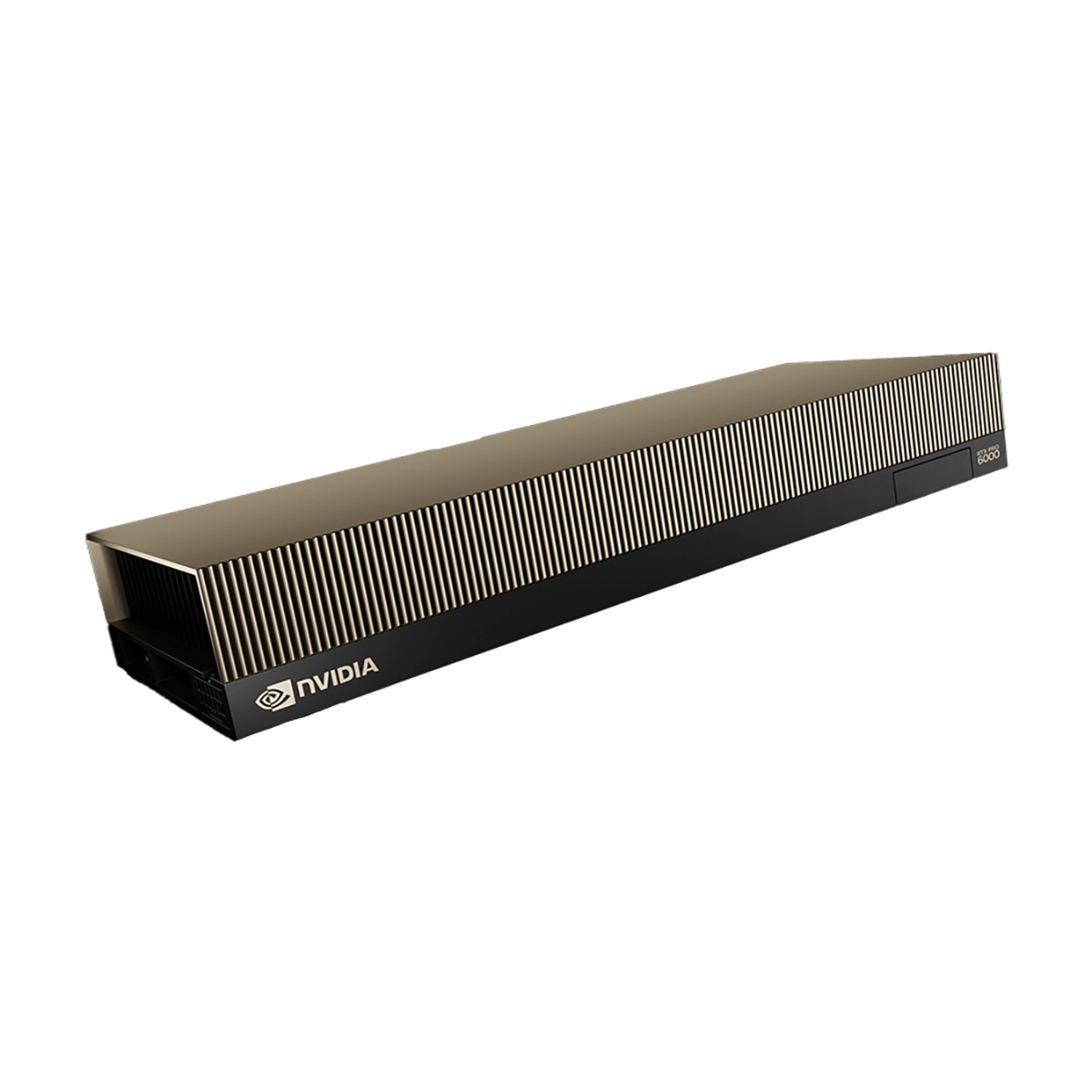
PNY NVIDIA TCSRTXPRO6000SE-SB Gen 5.0 Dual Slot 96 GB GDDR7 Server Graphics Card
The TCSRTXPRO6000SE-SB PNY NVIDIA RTX PRO 6000 Blackwell Server Edition graphics card combines 96GB of GDDR7 ECC memory with high-performance GPU processing for demanding server-based AI, visual computing, scientific research and rendering workloads. With PCI Express 5.0 connectivity, fourth-generation RT Cores and fifth-generation Tensor Cores, it provides substantial processing capacity for data-intensive applications and professional computing environments.
Key Features of PNY NVIDIA TCSRTXPRO6000SE-SB
96GB GDDR7 graphics memory with ECC
24,064 NVIDIA CUDA processing cores
752 fifth-generation NVIDIA Tensor Cores
188 fourth-generation NVIDIA RT Cores
Up to 4 PFLOPS FP4 AI performance
120 TFLOPS single-precision FP32 performance
355 TFLOPS ray tracing performance
512-bit memory interface with up to 1,597GB/s bandwidth
PCI Express 5.0 x16 interface
Four DisplayPort 2.1 outputs
Configurable power consumption of up to 600W
Passive cooling system for compatible server chassis
Multi-Instance GPU support for up to four 24GB instances
Four NVENC, four NVDEC and four JPEG engines
Confidential computing and Secure Boot support
Full-height, full-length, dual-slot form factor
OEM Brown box with no accessories
96GB GDDR7 ECC Graphics Memory
With 96GB of GDDR7 memory and Error Correction Code (ECC), the graphics card provides substantial memory capacity for large datasets, AI models, complex visual workloads and scientific applications. ECC helps detect and correct memory errors, supporting data accuracy during demanding processing tasks.
High-Speed Memory Bandwidth
The 512-bit memory interface delivers bandwidth of up to 1,597GB/s, allowing the GPU to transfer large volumes of data between memory and processing cores. This supports workloads involving extensive datasets, high-resolution graphics and computationally intensive applications.
NVIDIA CUDA Processing Cores
Featuring 24,064 CUDA cores, the RTX PRO 6000 Blackwell Server Edition provides parallel processing capacity for workloads that benefit from GPU acceleration. These cores support tasks including scientific computing, rendering, simulation and AI processing.
Fifth-Generation Tensor Cores
The 752 fifth-generation Tensor Cores accelerate AI workloads, including model inference and other machine learning operations. Support for FP4 processing delivers peak AI performance of up to 4 PFLOPS, providing substantial computational capacity for demanding AI applications.
Fourth-Generation Ray Tracing Cores
With 188 fourth-generation RT Cores, the graphics card accelerates ray tracing calculations used in rendering and visual computing. It delivers up to 355 TFLOPS of ray tracing performance for applications involving detailed lighting, reflections and complex visual scenes.
Single-Precision Processing Performance
The GPU provides up to 120 TFLOPS of FP32 single-precision performance. This processing capacity supports technical computing, scientific workloads, graphics processing and applications that rely on high-throughput floating-point calculations.
PCI Express 5.0 Connectivity
The PCI Express 5.0 x16 interface provides high-speed connectivity between the graphics card and compatible server hardware. With up to 128GB/s of bidirectional bandwidth, it supports data-intensive GPU workloads and high-throughput system communication.
Multi-Instance GPU Support
Multi-Instance GPU (MIG) technology allows the GPU to be divided into up to four separate instances, each with 24GB of dedicated memory. This enables compatible applications and users to access separate GPU resources on the same physical card.
Advanced Video Processing Engines
The card incorporates four NVENC encoders, four NVDEC decoders and four JPEG engines. These dedicated processing engines accelerate supported video encoding, decoding and image processing tasks, helping handle demanding media and video workflows.
Four DisplayPort 2.1 Outputs
Four DisplayPort 2.1 connectors provide display connectivity for compatible monitors and professional visual computing applications. The outputs support multi-display configurations where the server platform and software environment allow direct display use.
Passive Cooling for Server Environments
The passive thermal design uses airflow from the host server rather than onboard cooling fans. A compatible server chassis must provide the required airflow to maintain operating temperatures under sustained workloads.
Configurable Power Consumption
Power consumption is configurable between 400W and 600W, allowing supported server platforms to set an appropriate operating power level. The card uses one PCIe CEM5 16-pin power connector, so the host system must provide compatible power delivery.
Full-Height Dual-Slot Form Factor
Measuring approximately 4.4 inches high and 10.5 inches long, the graphics card uses a full-height, full-length dual-slot form factor. Server chassis compatibility should be checked for available expansion space, power connectivity and cooling airflow before installation.
Confidential Computing Support
Support for confidential computing provides hardware-based security capabilities for compatible workloads. This is complemented by Secure Boot with Root of Trust, helping support platform security and system integrity during startup.
AI and Scientific Computing Workloads
The combination of CUDA cores, Tensor Cores, high-capacity ECC memory and substantial memory bandwidth supports GPU-accelerated AI inference, scientific computing and data-intensive processing. It can also be used for applications involving simulation, visualisation and complex computational workloads.
Professional Rendering and Visual Computing
Dedicated ray tracing hardware, high-speed memory and parallel processing capabilities support professional rendering, 3D graphics and visual computing applications. The card provides the processing resources needed for demanding graphics workloads running on compatible server platforms.
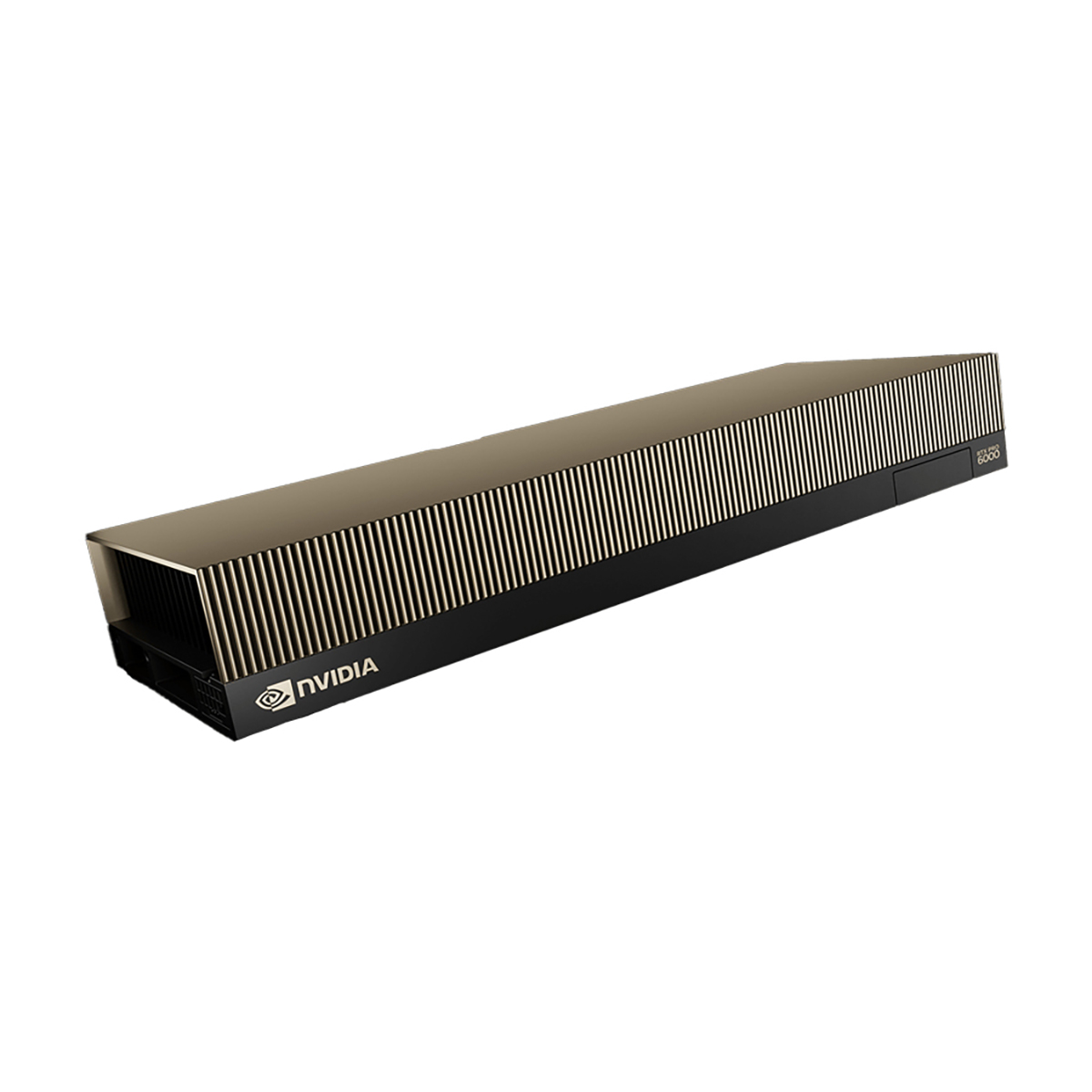
NVIDIA TCSRTXPRO6000SE-PB Gen 5.0 Dual Slot 96 GB GDDR7 Server Graphics Card
The NVIDIA TCSRTXPRO6000SE-PB server graphics card delivers high-performance GPU computing for data centre environments, artificial intelligence, scientific computing and advanced visual processing. Powered by NVIDIA Blackwell, it combines 96GB of GDDR7 memory with 24,064 CUDA cores, fifth-generation Tensor Cores and fourth-generation Ray Tracing Cores. With PCI Express 5.0 connectivity, passive cooling and up to 4 PFLOPS of FP4 AI performance, it provides substantial processing capacity for demanding server applications and GPU-accelerated workloads.
Key Features of NVIDIA RTX PRO 6000 Blackwell Server Edition
NVIDIA Blackwell GPU technology
96GB GDDR7 graphics memory with ECC
24,064 NVIDIA CUDA cores
752 fifth-generation NVIDIA Tensor Cores
188 fourth-generation NVIDIA RT Cores
Up to 4 PFLOPS FP4 AI performance
120 TFLOPS single-precision performance
355 TFLOPS ray tracing performance
512-bit memory interface
1,597GB/s memory bandwidth
PCI Express 5.0 x16 interface
Four DisplayPort 2.1 connectors
Multi-Instance GPU support, up to four 24GB instances
Four ninth-generation NVIDIA NVENC encoders
Four sixth-generation NVIDIA NVDEC decoders
Four JPEG engines
Confidential computing support
Secure Boot with Root of Trust
Passive cooling system
Configurable power consumption from 400W to 600W
Full-height, full-length dual-slot form factor
PCIe CEM5 16-pin power connector
NVIDIA Blackwell GPU Technology
Powered by NVIDIA Blackwell, the RTX PRO 6000 combines dedicated processing resources for artificial intelligence, graphics rendering and ray tracing. These capabilities support demanding server applications, including generative AI, scientific computing, advanced visualisation and GPU-accelerated data processing.
96GB GDDR7 Graphics Memory
The 96GB of GDDR7 memory provides substantial capacity for large AI models, extensive datasets, complex simulations and memory-intensive computing tasks. Error-Correcting Code (ECC) helps detect and correct memory errors, supporting data integrity during sustained server workloads.
NVIDIA CUDA Processing Cores
Featuring 24,064 CUDA cores, the graphics card delivers extensive parallel processing capacity for compatible applications. CUDA acceleration supports scientific calculations, data analysis, rendering, simulation and other GPU-intensive computing workloads.
Fifth-Generation Tensor Cores
The 752 fifth-generation Tensor Cores provide dedicated acceleration for artificial intelligence and deep learning applications. Support for advanced precision formats, including FP4, helps increase processing throughput in compatible AI development, training and inference workloads.
Up to 4 PFLOPS AI Performance
The graphics card delivers up to 4 PFLOPS of peak FP4 AI performance. This processing capacity supports demanding generative AI, machine learning, deep learning and model inference applications. Performance depends on supported precision formats and workload configurations.
Fourth-Generation Ray Tracing Cores
With 188 fourth-generation RT Cores, the card accelerates ray tracing calculations used in professional rendering and visualisation. These dedicated processing units support realistic lighting, reflections and shadows in compatible 3D applications and graphical workloads.
High-Bandwidth GDDR7 Memory
The 512-bit memory interface provides bandwidth of up to 1,597GB/s. This allows the GPU to access large volumes of graphics data at high speed, supporting complex models, extensive datasets, high-resolution content and memory-intensive AI applications.
PCI Express 5.0 Connectivity
The PCI Express 5.0 x16 interface provides high-speed communication between the graphics card and a compatible server motherboard. With bidirectional bandwidth of up to 128GB/s, it supports demanding data transfers between GPU resources and other system components.
Four DisplayPort 2.1 Outputs
Four DisplayPort 2.1 connectors provide display connectivity for supported visualisation and monitoring applications. These outputs support multiple high-resolution displays when used with compatible monitors and system configurations.
Multi-Instance GPU Technology
Multi-Instance GPU (MIG) technology allows the available GPU resources to be divided into separate instances for compatible workloads. The card supports up to four 24GB instances, allowing computing resources to be allocated across multiple applications or users.
Professional Video Processing
Four ninth-generation NVIDIA NVENC encoders and four sixth-generation NVDEC decoders provide dedicated video processing capabilities. Four JPEG engines also support accelerated image processing tasks. These resources are useful for compatible media production, video processing and streaming applications.
Passive Cooling System
The Server Edition uses passive cooling without an onboard cooling fan. It relies on the server chassis airflow system to remove heat generated during intensive GPU operations. Compatible server platforms must provide sufficient directed airflow to maintain appropriate operating temperatures.
Configurable Power Consumption
The graphics card supports configurable power consumption between 400W and 600W, depending on the server configuration. Its PCIe CEM5 16-pin power connector requires a compatible power delivery system capable of supporting the selected operating power level.
Full-Height Dual-Slot Form Factor
The full-height, full-length graphics card measures approximately 4.4 inches high by 10.5 inches long and occupies two expansion slots. Its dimensions and passive cooling requirements make server chassis compatibility, expansion clearance and airflow important considerations before installation.
Confidential Computing Support
Confidential computing support provides hardware-based security capabilities for compatible workloads. This helps protect sensitive information during processing and is particularly relevant to server environments handling private datasets, proprietary information and AI applications.
Secure Boot with Root of Trust
Secure Boot with Root of Trust provides security verification during the system startup process. This helps establish confidence in the server's boot components and supports security-conscious data centre environments.
Scientific Computing and Simulation
The combination of CUDA processing, high-bandwidth GDDR7 memory and dedicated Tensor Cores supports GPU-accelerated scientific and engineering applications. Compatible workloads include computational research, complex simulations, data analysis and advanced modelling.
Generative AI and Model Inference
With 96GB of graphics memory and up to 4 PFLOPS of FP4 AI performance, the card supports demanding generative AI and inference workloads. Its processing capabilities are suitable for compatible large language models, machine learning applications and other data-intensive AI tasks.
Professional Graphics and Visualisation
Dedicated ray tracing hardware and substantial parallel processing resources support professional graphics and visual computing applications. The card can be used for compatible rendering, 3D visualisation, engineering workloads and complex graphical environments.
Server Compatibility Requirements
Installation requires a compatible PCI Express 5.0 x16 expansion slot, sufficient dual-slot clearance and a suitable PCIe CEM5 16-pin power connection. The server must also provide appropriate power delivery and directed chassis airflow to accommodate the passive cooling system. NVIDIA recommends system memory equal to or greater than the GPU memory, with twice the GPU memory recommended.