



| Product Code: | |
| Options: | |
| Qty: | |
| Unit Price: | £ |

If you wish to enquire about this product please contact us on
0800 488 0000
| Part No: | NVTCSRTXPRO6000SE-SB |
| Manufacturer No: | TCSRTXPRO6000SE-SB |
| Delivery: | Call for Leadtime |


 |
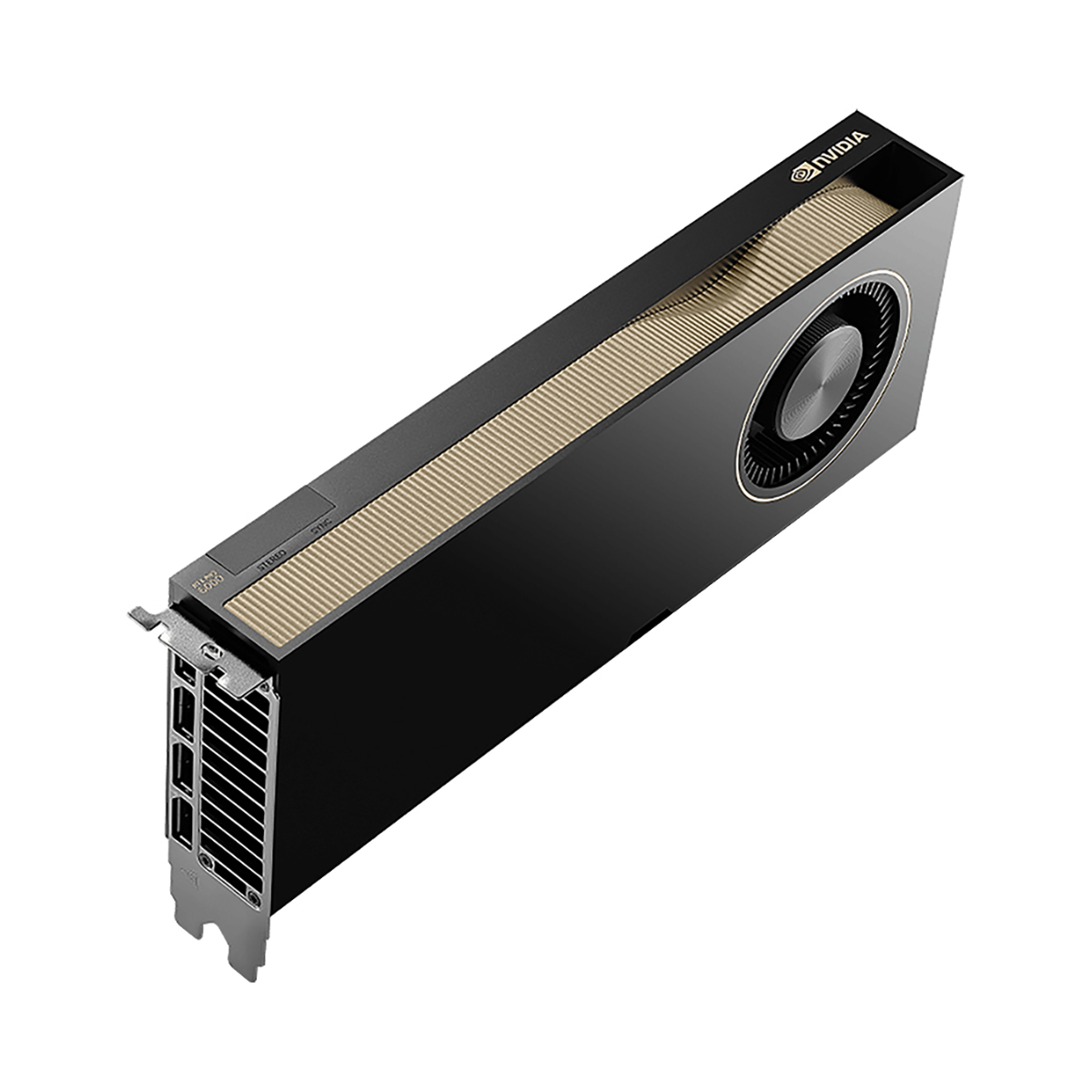
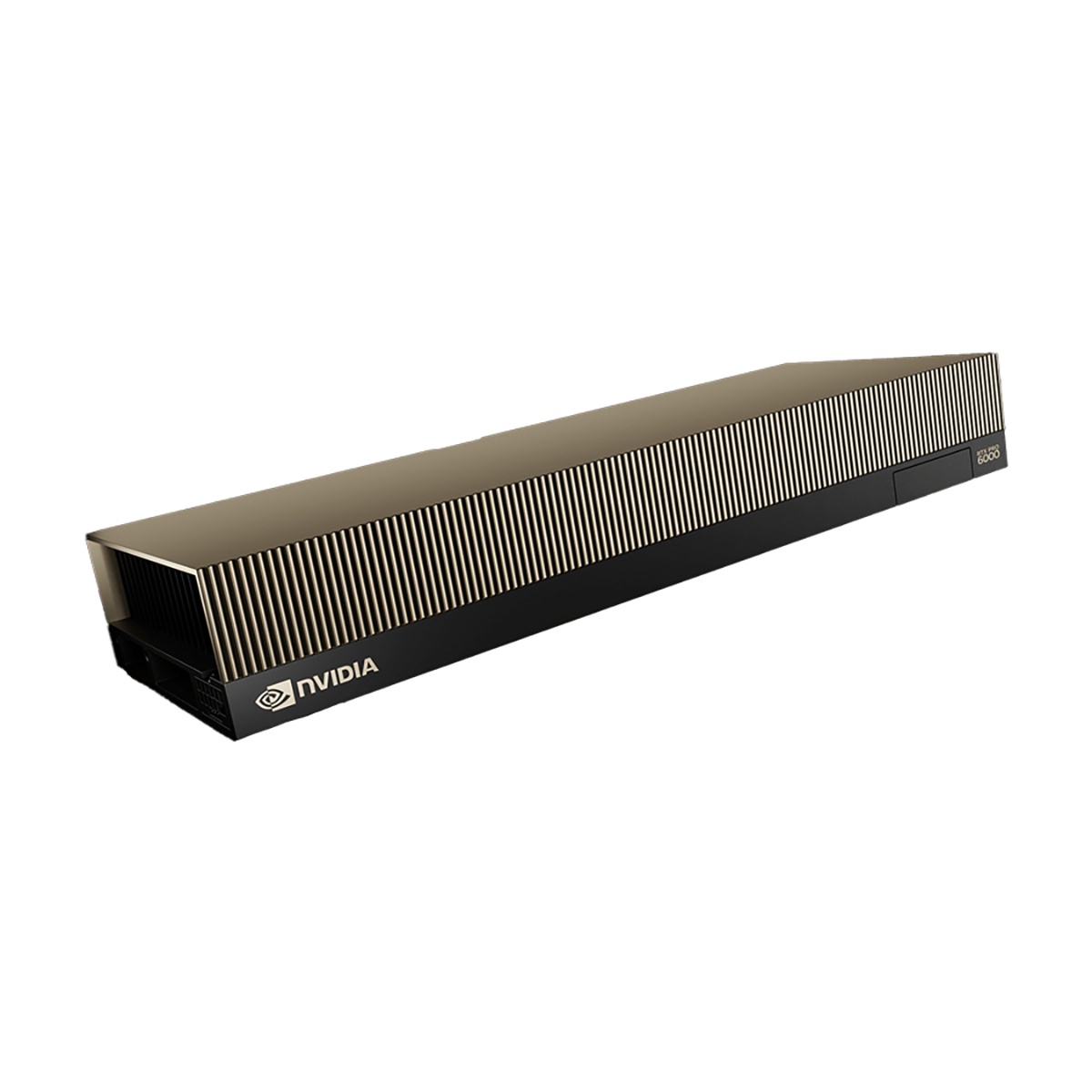
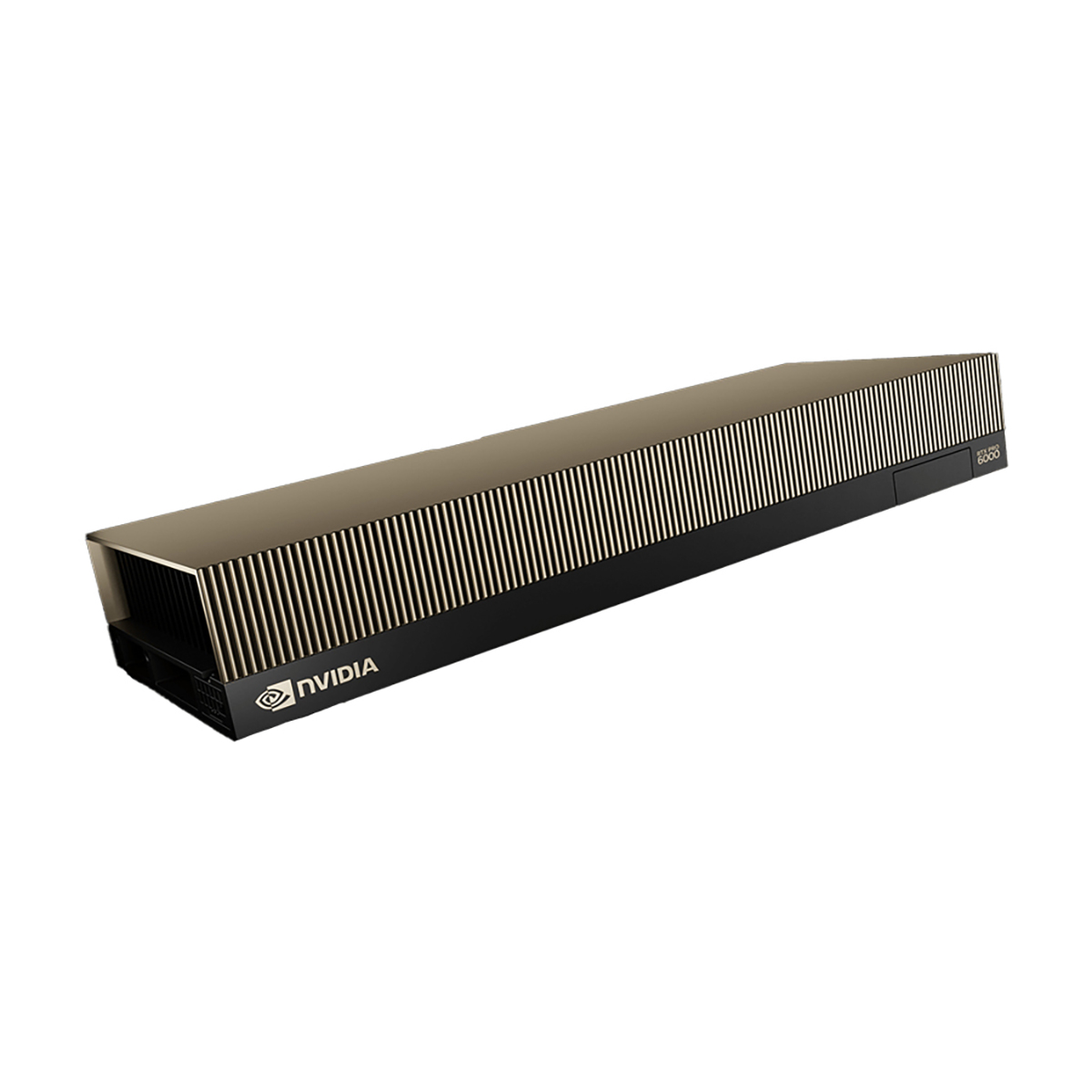
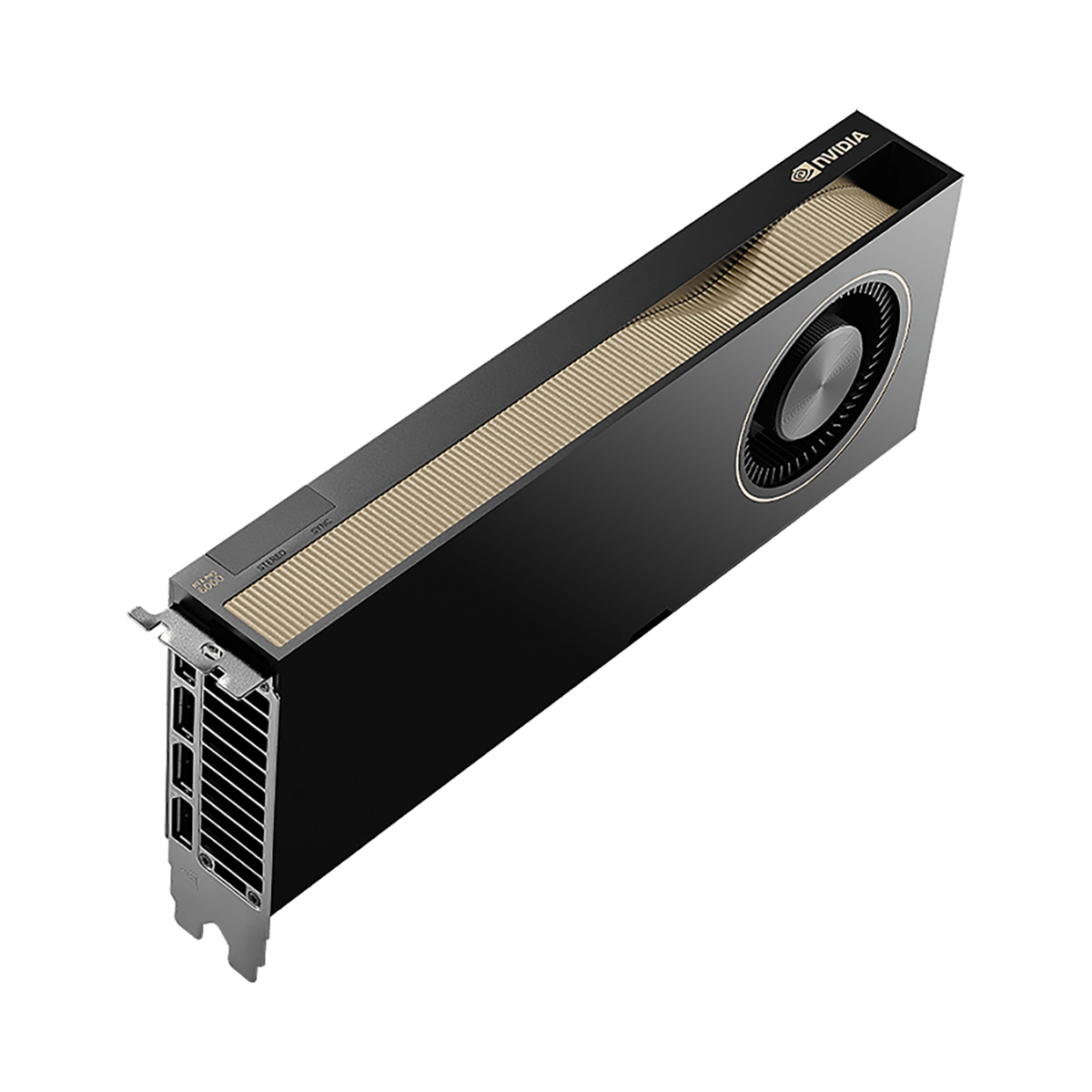
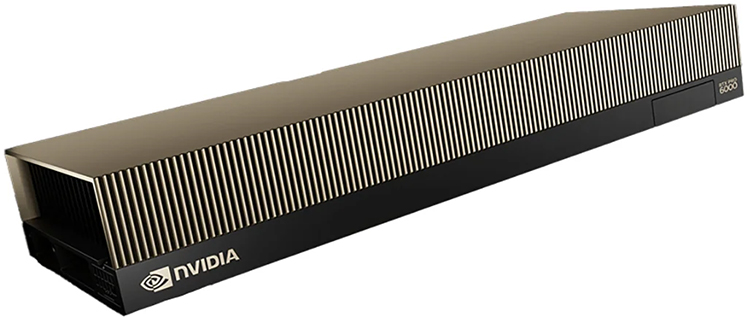
The TCSRTXPRO6000SE-SB PNY NVIDIA RTX PRO 6000 Blackwell Server Edition graphics card combines 96GB of GDDR7 ECC memory with high-performance GPU processing for demanding server-based AI, visual computing, scientific research and rendering workloads. With PCI Express 5.0 connectivity, fourth-generation RT Cores and fifth-generation Tensor Cores, it provides substantial processing capacity for data-intensive applications and professional computing environments.
With 96GB of GDDR7 memory and Error Correction Code (ECC), the graphics card provides substantial memory capacity for large datasets, AI models, complex visual workloads and scientific applications. ECC helps detect and correct memory errors, supporting data accuracy during demanding processing tasks.
The 512-bit memory interface delivers bandwidth of up to 1,597GB/s, allowing the GPU to transfer large volumes of data between memory and processing cores. This supports workloads involving extensive datasets, high-resolution graphics and computationally intensive applications.
Featuring 24,064 CUDA cores, the RTX PRO 6000 Blackwell Server Edition provides parallel processing capacity for workloads that benefit from GPU acceleration. These cores support tasks including scientific computing, rendering, simulation and AI processing.
The 752 fifth-generation Tensor Cores accelerate AI workloads, including model inference and other machine learning operations. Support for FP4 processing delivers peak AI performance of up to 4 PFLOPS, providing substantial computational capacity for demanding AI applications.
With 188 fourth-generation RT Cores, the graphics card accelerates ray tracing calculations used in rendering and visual computing. It delivers up to 355 TFLOPS of ray tracing performance for applications involving detailed lighting, reflections and complex visual scenes.
The GPU provides up to 120 TFLOPS of FP32 single-precision performance. This processing capacity supports technical computing, scientific workloads, graphics processing and applications that rely on high-throughput floating-point calculations.
The PCI Express 5.0 x16 interface provides high-speed connectivity between the graphics card and compatible server hardware. With up to 128GB/s of bidirectional bandwidth, it supports data-intensive GPU workloads and high-throughput system communication.
Multi-Instance GPU (MIG) technology allows the GPU to be divided into up to four separate instances, each with 24GB of dedicated memory. This enables compatible applications and users to access separate GPU resources on the same physical card.
The card incorporates four NVENC encoders, four NVDEC decoders and four JPEG engines. These dedicated processing engines accelerate supported video encoding, decoding and image processing tasks, helping handle demanding media and video workflows.
Four DisplayPort 2.1 connectors provide display connectivity for compatible monitors and professional visual computing applications. The outputs support multi-display configurations where the server platform and software environment allow direct display use.
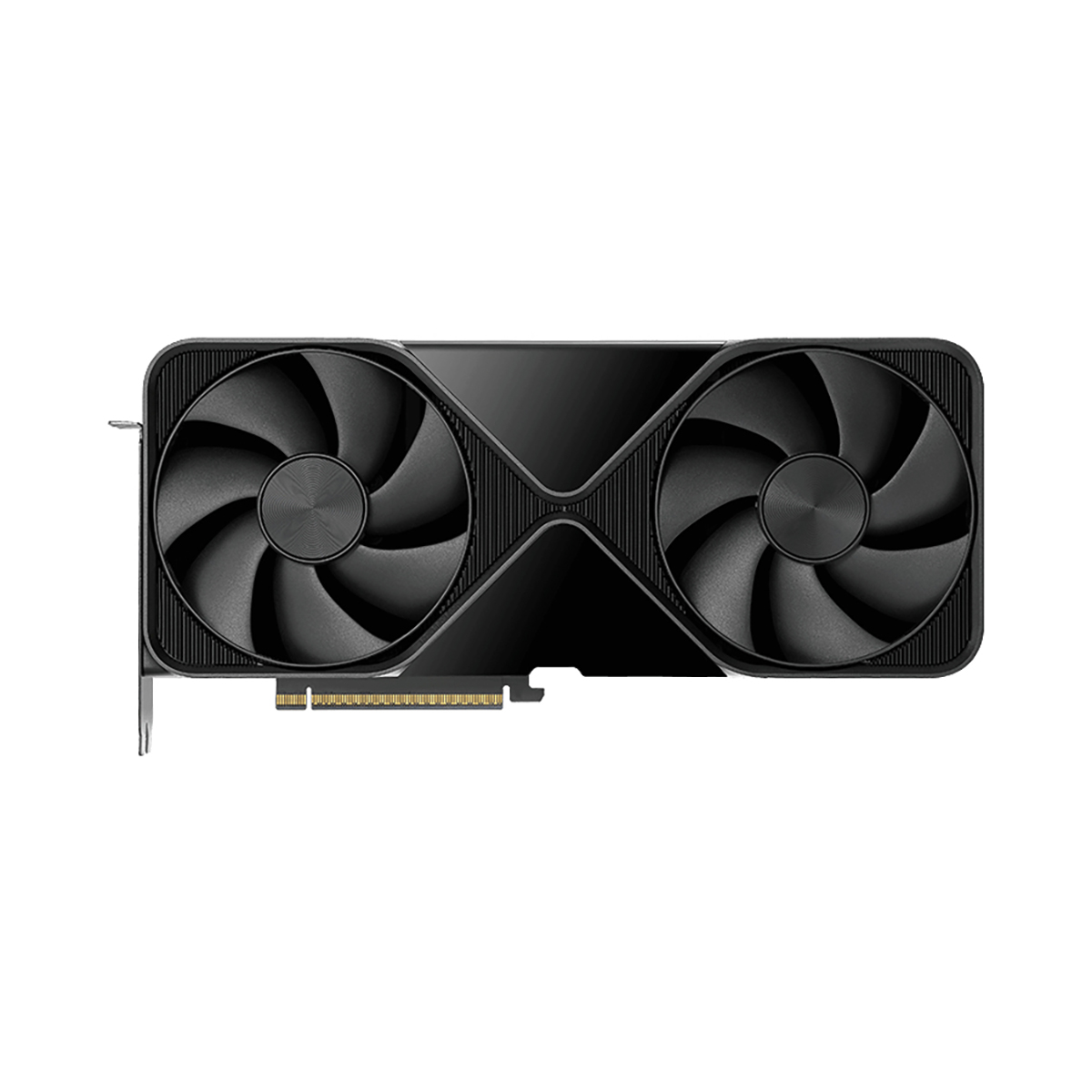
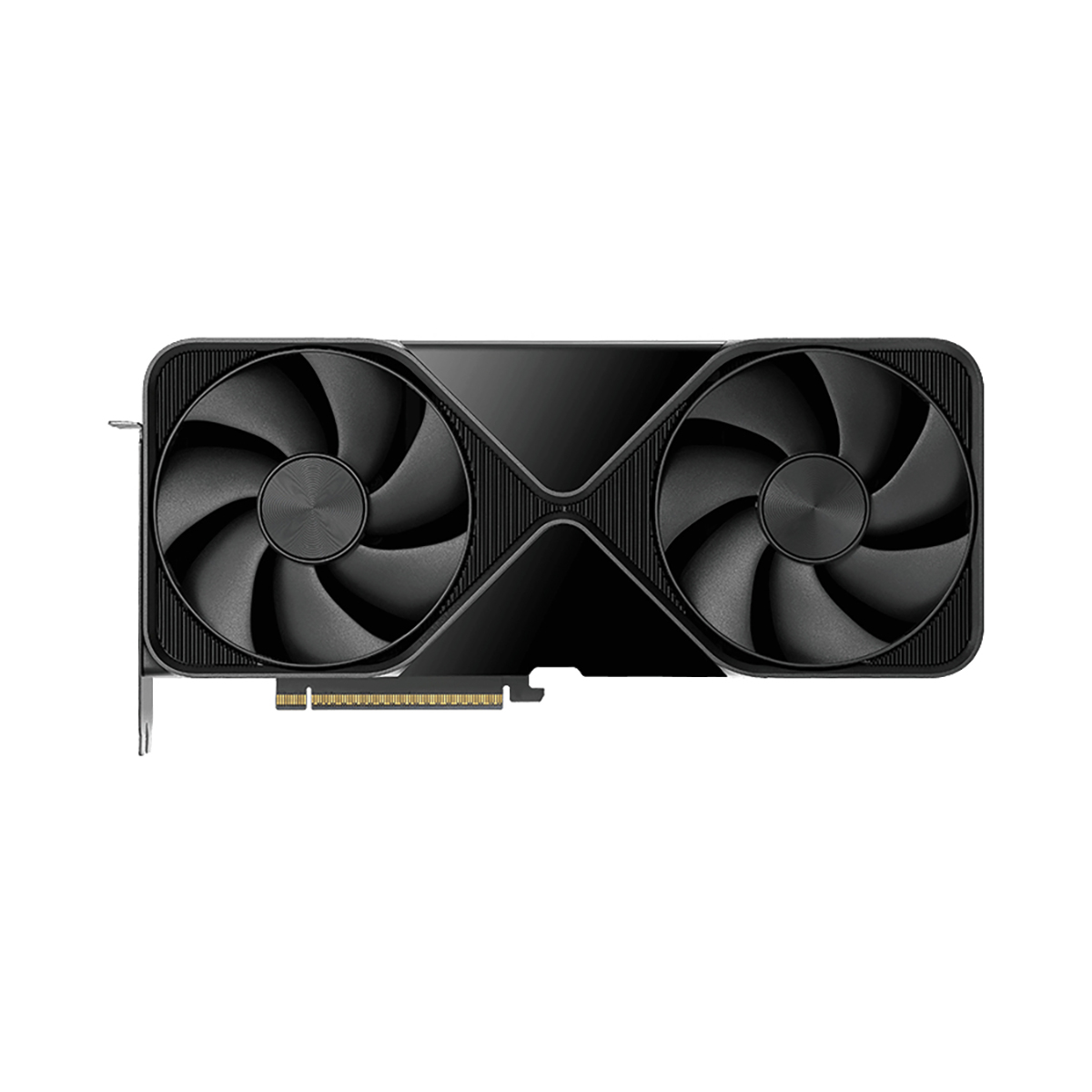
The passive thermal design uses airflow from the host server rather than onboard cooling fans. A compatible server chassis must provide the required airflow to maintain operating temperatures under sustained workloads.
Power consumption is configurable between 400W and 600W, allowing supported server platforms to set an appropriate operating power level. The card uses one PCIe CEM5 16-pin power connector, so the host system must provide compatible power delivery.
Measuring approximately 4.4 inches high and 10.5 inches long, the graphics card uses a full-height, full-length dual-slot form factor. Server chassis compatibility should be checked for available expansion space, power connectivity and cooling airflow before installation.
Support for confidential computing provides hardware-based security capabilities for compatible workloads. This is complemented by Secure Boot with Root of Trust, helping support platform security and system integrity during startup.
The combination of CUDA cores, Tensor Cores, high-capacity ECC memory and substantial memory bandwidth supports GPU-accelerated AI inference, scientific computing and data-intensive processing. It can also be used for applications involving simulation, visualisation and complex computational workloads.
Dedicated ray tracing hardware, high-speed memory and parallel processing capabilities support professional rendering, 3D graphics and visual computing applications. The card provides the processing resources needed for demanding graphics workloads running on compatible server platforms.
The TCSRTXPRO6000SE-SB PNY NVIDIA RTX PRO 6000 Blackwell Server Edition graphics card combines 96GB of GDDR7 ECC memory with high-performance GPU processing for demanding server-based AI, visual computing, scientific research and rendering workloads. With PCI Express 5.0 connectivity, fourth-generation RT Cores and fifth-generation Tensor Cores, it provides substantial processing capacity for data-intensive applications and professional computing environments.
With 96GB of GDDR7 memory and Error Correction Code (ECC), the graphics card provides substantial memory capacity for large datasets, AI models, complex visual workloads and scientific applications. ECC helps detect and correct memory errors, supporting data accuracy during demanding processing tasks.
The 512-bit memory interface delivers bandwidth of up to 1,597GB/s, allowing the GPU to transfer large volumes of data between memory and processing cores. This supports workloads involving extensive datasets, high-resolution graphics and computationally intensive applications.
Featuring 24,064 CUDA cores, the RTX PRO 6000 Blackwell Server Edition provides parallel processing capacity for workloads that benefit from GPU acceleration. These cores support tasks including scientific computing, rendering, simulation and AI processing.
The 752 fifth-generation Tensor Cores accelerate AI workloads, including model inference and other machine learning operations. Support for FP4 processing delivers peak AI performance of up to 4 PFLOPS, providing substantial computational capacity for demanding AI applications.
With 188 fourth-generation RT Cores, the graphics card accelerates ray tracing calculations used in rendering and visual computing. It delivers up to 355 TFLOPS of ray tracing performance for applications involving detailed lighting, reflections and complex visual scenes.
The GPU provides up to 120 TFLOPS of FP32 single-precision performance. This processing capacity supports technical computing, scientific workloads, graphics processing and applications that rely on high-throughput floating-point calculations.
The PCI Express 5.0 x16 interface provides high-speed connectivity between the graphics card and compatible server hardware. With up to 128GB/s of bidirectional bandwidth, it supports data-intensive GPU workloads and high-throughput system communication.
Multi-Instance GPU (MIG) technology allows the GPU to be divided into up to four separate instances, each with 24GB of dedicated memory. This enables compatible applications and users to access separate GPU resources on the same physical card.
The card incorporates four NVENC encoders, four NVDEC decoders and four JPEG engines. These dedicated processing engines accelerate supported video encoding, decoding and image processing tasks, helping handle demanding media and video workflows.
Four DisplayPort 2.1 connectors provide display connectivity for compatible monitors and professional visual computing applications. The outputs support multi-display configurations where the server platform and software environment allow direct display use.
The passive thermal design uses airflow from the host server rather than onboard cooling fans. A compatible server chassis must provide the required airflow to maintain operating temperatures under sustained workloads.
Power consumption is configurable between 400W and 600W, allowing supported server platforms to set an appropriate operating power level. The card uses one PCIe CEM5 16-pin power connector, so the host system must provide compatible power delivery.
Measuring approximately 4.4 inches high and 10.5 inches long, the graphics card uses a full-height, full-length dual-slot form factor. Server chassis compatibility should be checked for available expansion space, power connectivity and cooling airflow before installation.
Support for confidential computing provides hardware-based security capabilities for compatible workloads. This is complemented by Secure Boot with Root of Trust, helping support platform security and system integrity during startup.
The combination of CUDA cores, Tensor Cores, high-capacity ECC memory and substantial memory bandwidth supports GPU-accelerated AI inference, scientific computing and data-intensive processing. It can also be used for applications involving simulation, visualisation and complex computational workloads.
Dedicated ray tracing hardware, high-speed memory and parallel processing capabilities support professional rendering, 3D graphics and visual computing applications. The card provides the processing resources needed for demanding graphics workloads running on compatible server platforms.