



| Product Code: | |
| Options: | |
| Qty: | |
| Unit Price: | £ |

| Part No: | FEDP340 |
| Manufacturer No: | DP340 |
| Delivery: | In Stock: Next Day |


 |
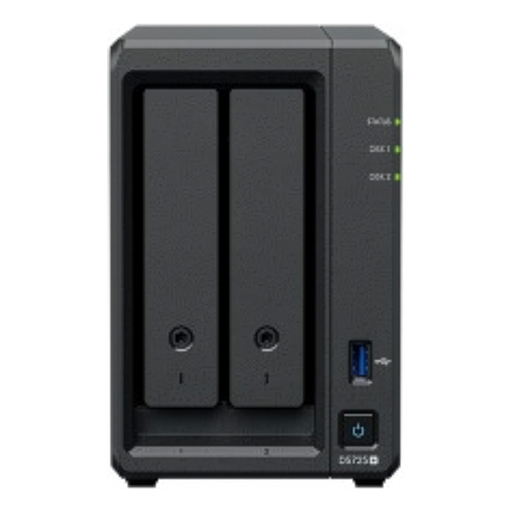
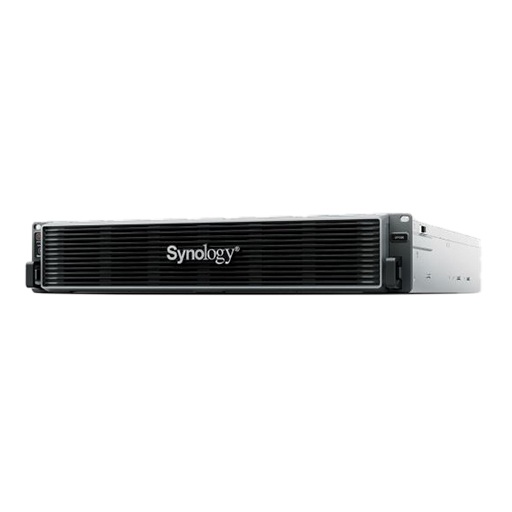
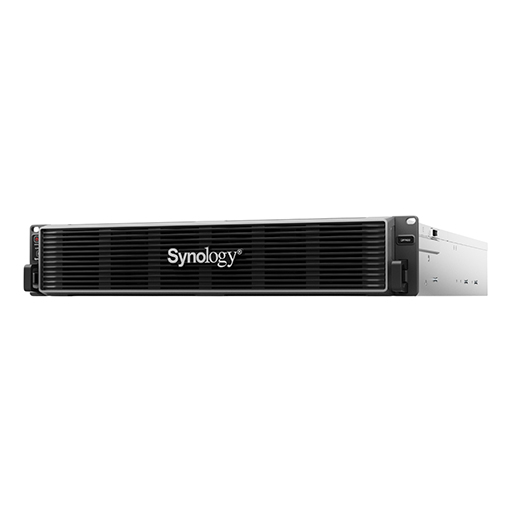
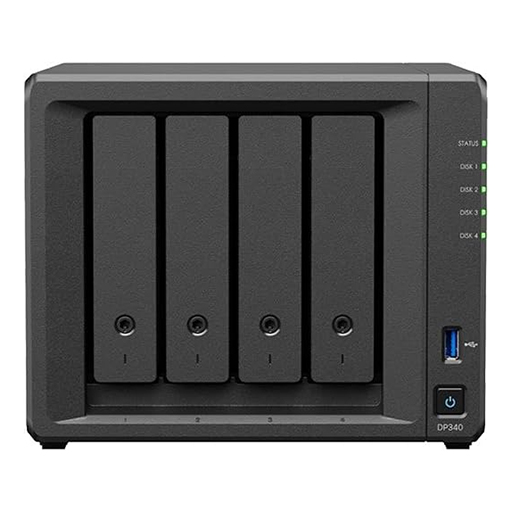
ActiveProtect Appliance DP340 is a cyber-resilient data protection solution designed for endpoints and mixed workloads, combining backup, recovery, deduplication, and ransomware protection into a unified appliance. Built for small to medium environments, it centralises protection across multiple sites while streamlining deployment and ongoing management.
The DP340 is designed for fast provisioning, automatically handling essential system configurations such as storage layout and RAID setup. This reduces manual configuration steps and allows the backup environment to become operational quickly.
The system supports a wide range of environments including virtual machines, physical servers, cloud services, and enterprise databases. Policies can be created to automatically detect and protect workloads, ensuring consistent data protection coverage across infrastructure.
Built-in integrity mechanisms continuously check backup data for corruption using filesystem-level verification. Recovery validation can be performed in isolated environments, allowing organisations to test restoration processes without affecting live systems.
The appliance supports multiple recovery methods including full system restoration, granular file recovery, and virtual-to-virtual or physical-to-virtual conversions. This flexibility helps align recovery methods with defined operational recovery objectives.
Data protection is strengthened through immutable storage policies and WORM-based retention controls, ensuring backup data cannot be altered during its retention period. Optional air-gap configurations further isolate backup environments from production networks.
The system reduces redundant data through global deduplication performed at the source, sending only unique data across the network. Combined with metadata caching and structured data consolidation, this improves overall storage efficiency and backup performance.
Security is enforced through least-privilege access principles and integration with enterprise identity systems. Network-level restrictions, isolated management interfaces, and time-based access controls help reduce exposure and maintain controlled system access.
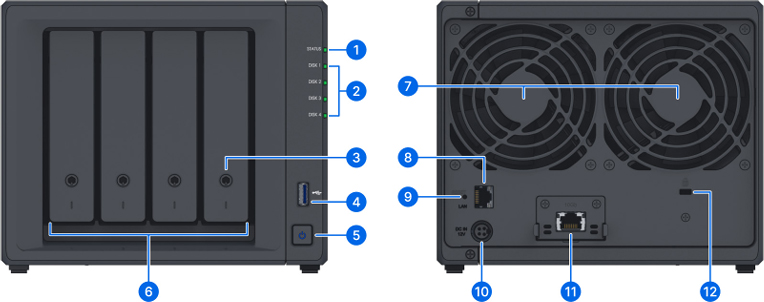
ActiveProtect Appliance DP340 is a cyber-resilient data protection solution designed for endpoints and mixed workloads, combining backup, recovery, deduplication, and ransomware protection into a unified appliance. Built for small to medium environments, it centralises protection across multiple sites while streamlining deployment and ongoing management.
The DP340 is designed for fast provisioning, automatically handling essential system configurations such as storage layout and RAID setup. This reduces manual configuration steps and allows the backup environment to become operational quickly.
The system supports a wide range of environments including virtual machines, physical servers, cloud services, and enterprise databases. Policies can be created to automatically detect and protect workloads, ensuring consistent data protection coverage across infrastructure.
Built-in integrity mechanisms continuously check backup data for corruption using filesystem-level verification. Recovery validation can be performed in isolated environments, allowing organisations to test restoration processes without affecting live systems.
The appliance supports multiple recovery methods including full system restoration, granular file recovery, and virtual-to-virtual or physical-to-virtual conversions. This flexibility helps align recovery methods with defined operational recovery objectives.
Data protection is strengthened through immutable storage policies and WORM-based retention controls, ensuring backup data cannot be altered during its retention period. Optional air-gap configurations further isolate backup environments from production networks.
The system reduces redundant data through global deduplication performed at the source, sending only unique data across the network. Combined with metadata caching and structured data consolidation, this improves overall storage efficiency and backup performance.
Security is enforced through least-privilege access principles and integration with enterprise identity systems. Network-level restrictions, isolated management interfaces, and time-based access controls help reduce exposure and maintain controlled system access.