



| Product Code: | |
| Options: | |
| Qty: | |
| Unit Price: | £ |

| Part No: | KINKCP556UD8-32 |
| Manufacturer No: | KCP556UD8-32 |
| Delivery: | In Stock: Next Day |

 |
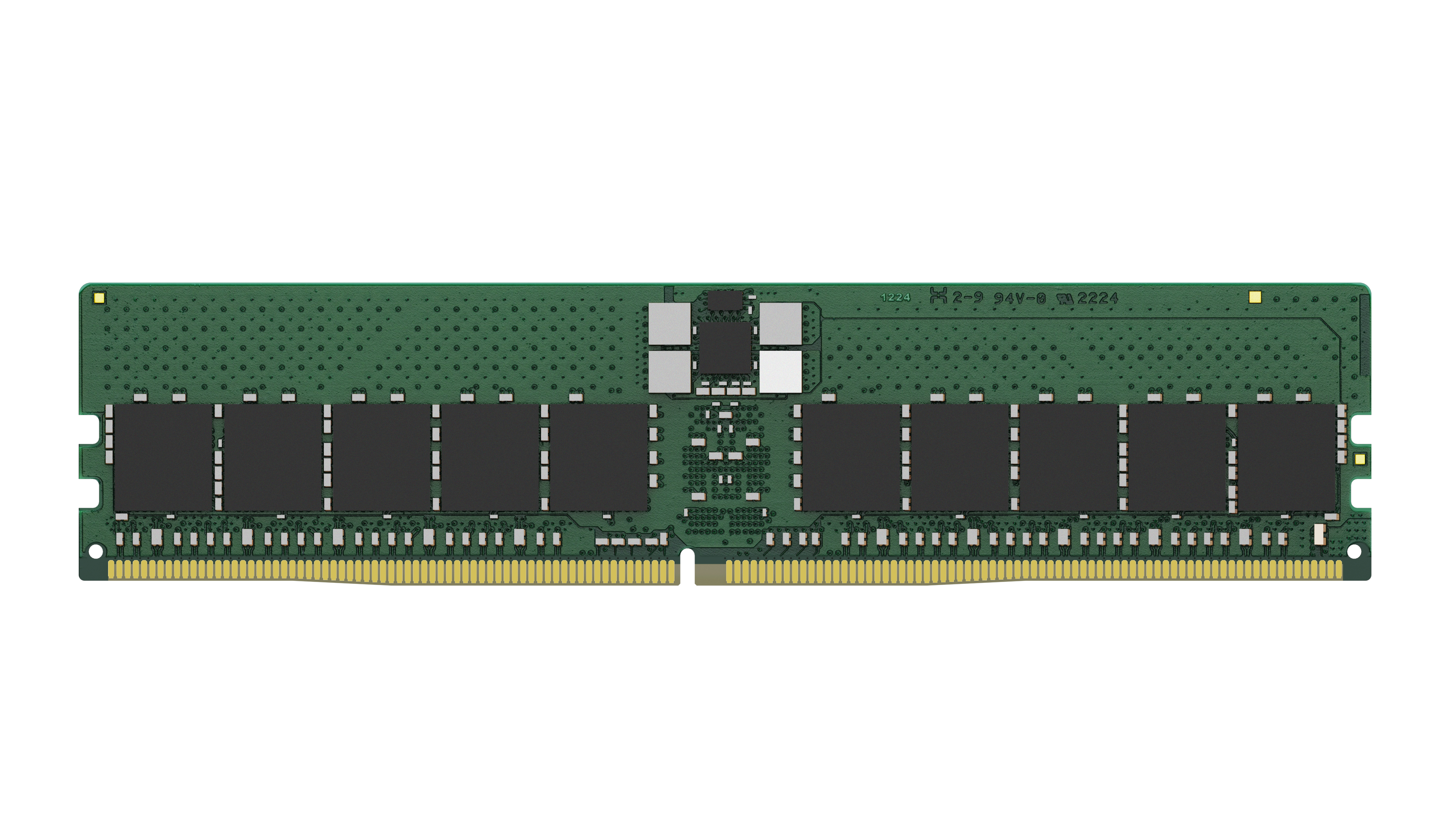
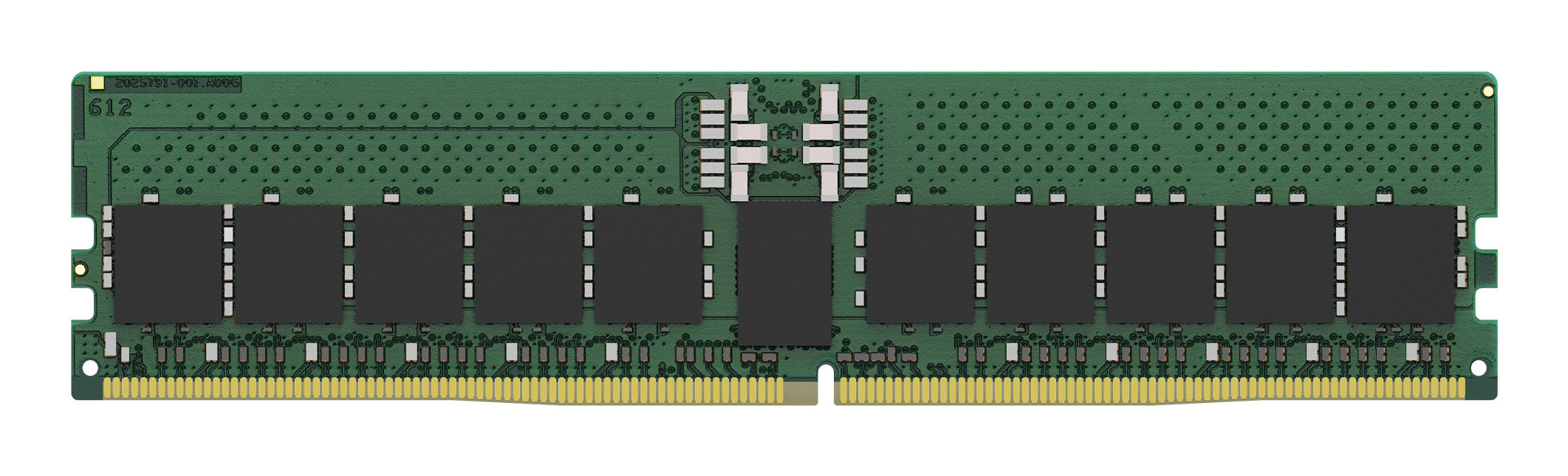
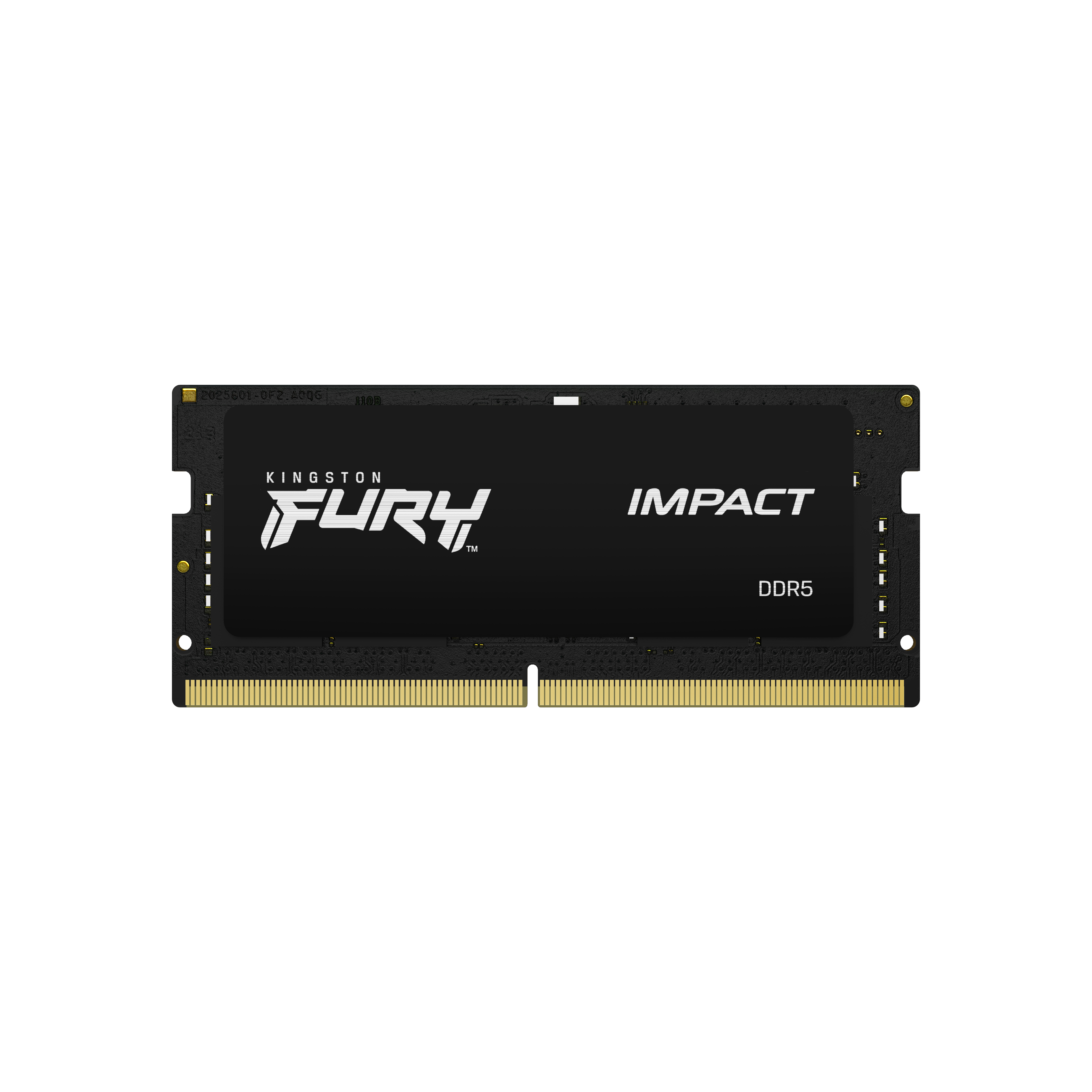
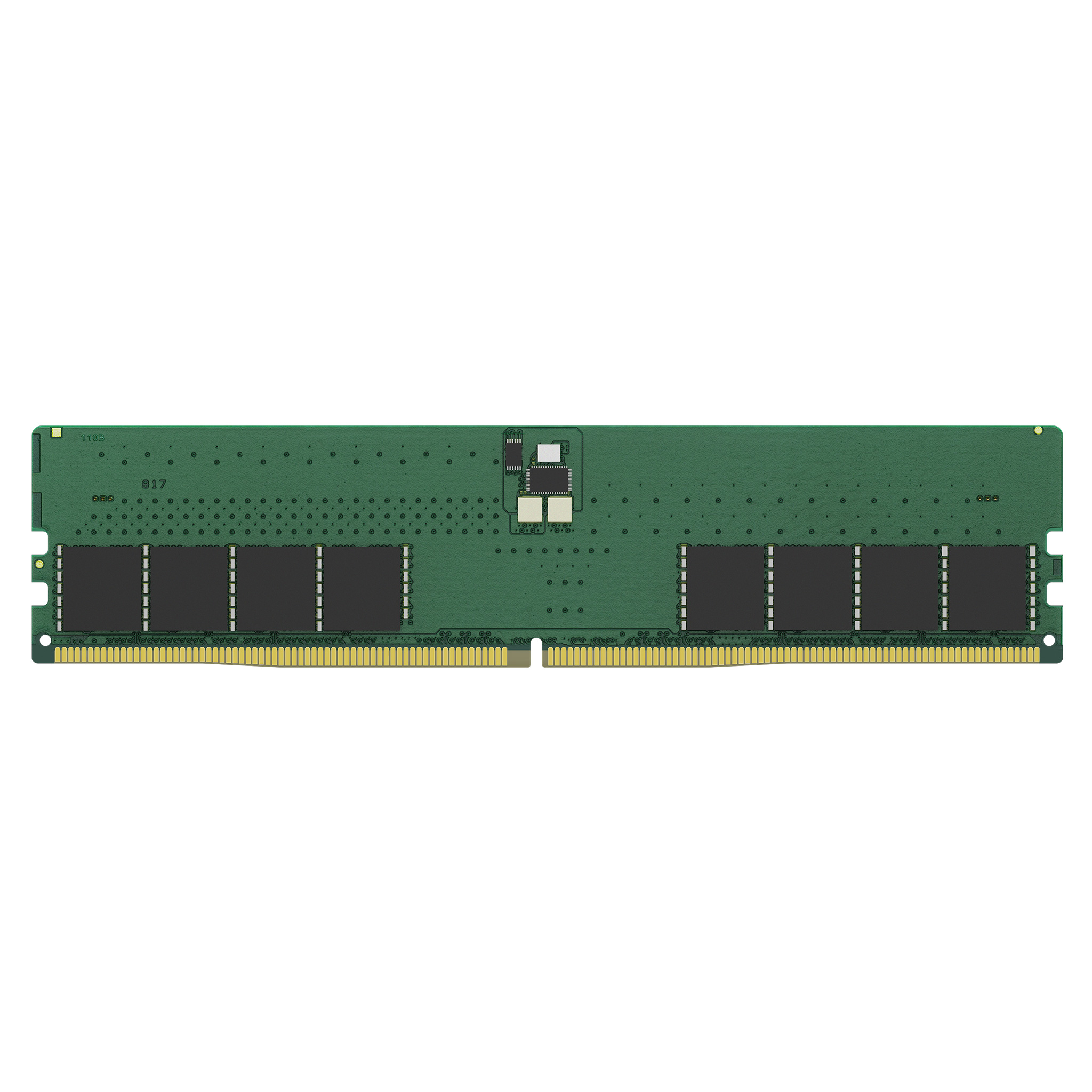
The Kingston KCP556UD8-32 is a 32GB DDR5 SODIMM memory module designed for laptops and compact systems that require a high-capacity single-stick configuration. Operating at 5600MT/s, it aligns with current-generation mobile platforms that depend on greater memory bandwidth to handle multitasking-heavy environments. Built under JEDEC standards, it focuses on broad compatibility across OEM laptop systems while maintaining consistent operation without manual configuration requirements.
This memory module supports sustained multitasking workloads, including software development environments, data-heavy applications, virtual machines, and creative editing tasks. Its DDR5 architecture provides higher bandwidth compared to previous generations, helping maintain consistent system responsiveness when multiple applications are active simultaneously.
While Kingston tests the chip performance for a specific system, it also tests the chips for compatibility. As memory speeds get faster, chip compatibility becomes increasingly important and varies from system to system, so Kingston tests several different chip brands in each system it supports and has approved vendor lists for its modules.
The Kingston KCP556UD8-32 is a 32GB DDR5 SODIMM memory module designed for laptops and compact systems that require a high-capacity single-stick configuration. Operating at 5600MT/s, it aligns with current-generation mobile platforms that depend on greater memory bandwidth to handle multitasking-heavy environments. Built under JEDEC standards, it focuses on broad compatibility across OEM laptop systems while maintaining consistent operation without manual configuration requirements.
This memory module supports sustained multitasking workloads, including software development environments, data-heavy applications, virtual machines, and creative editing tasks. Its DDR5 architecture provides higher bandwidth compared to previous generations, helping maintain consistent system responsiveness when multiple applications are active simultaneously.
While Kingston tests the chip performance for a specific system, it also tests the chips for compatibility. As memory speeds get faster, chip compatibility becomes increasingly important and varies from system to system, so Kingston tests several different chip brands in each system it supports and has approved vendor lists for its modules.
Product data is provided by Icecat, we do not warrant the accuracy of the material above.