
Choosing the right network switch is one of the most important decisions when building or upgrading a business network. Whether you’re a small business setting up your first office or an enterprise managing hundreds of connected devices, the wrong switch can lead to poor performance, security risks, and unnecessary costs.
In this guide, we’ll break down how to choose the right network switch for your business, explain the differences between SME and enterprise requirements, and help you make an informed buying decision.
What Is a Network Switch and Why Does It Matter?
A network switch connects devices, such as computers, printers, servers, access points, and VoIP phones, within a local area network (LAN). It manages how data is sent between devices, ensuring fast, reliable, and secure communication.
The right switch:
- Improves network speed and stability
- Supports business-critical applications
- Enables scalability as your business grows
- Enhances security and network control
Step 1: Understand Your Business Size and Network Needs
Network Switch Requirements for SMEs
Small and medium-sized businesses typically need:
- Reliable connectivity for 5-50 devices
- Simple management
- Affordable pricing
- Basic security and performance
Common SME environments include offices, retail stores, warehouses, and home offices.
Network Switch Requirements for Enterprises
Enterprise networks usually require:
- Support for 100+ devices
- Advanced traffic management and security
- Redundancy and high availability
- Centralised network management
These environments include corporate offices, data centres, healthcare, education, and multi-site organisations.
Step 2: Choose Between Managed, Smart, and Unmanaged Switches
Unmanaged Switches (Best for Small Offices)
Best for: Small businesses with simple networks
- Plug-and-play
- No configuration required
- Low cost
- Limited control and security
Ideal for basic connectivity where advanced features aren’t needed.
Smart Switches (Ideal for Growing SMEs)
Best for: SMEs that need more control without complexity
- Basic VLAN support
- QoS (Quality of Service) for VoIP and video
- Web-based management
Smart switches offer a strong balance between price and performance.
Managed Switches (Enterprise & Advanced SME Networks)
Best for: Enterprises and complex SME networks
- Full network control
- Advanced security features
- Traffic monitoring and optimisation
- SNMP and centralised management
Managed switches are essential for businesses that prioritise performance, scalability, and security.
Step 3: Decide If You Need PoE (Power over Ethernet)
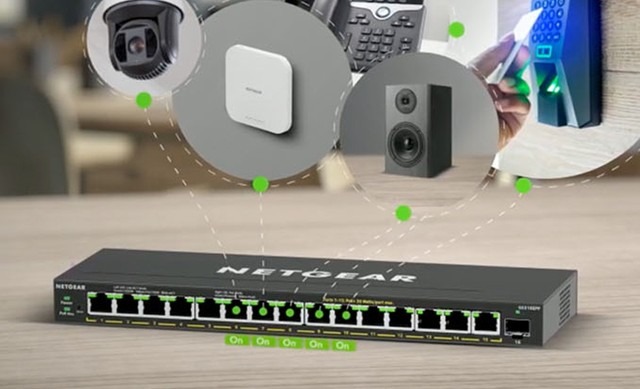
PoE switches deliver power and data through a single Ethernet cable.
You Need PoE If You Use:
- Wireless access points
- VoIP phones
- IP security cameras
- Door access systems
PoE is increasingly common in modern UK offices, making PoE-capable switches a smart future-proof investment.
Step 4: Consider Port Count and Network Speed
Port Count
Count all current and future devices:
- Computers and laptops
- Printers and servers
- Access points and phones
Always allow 20-30% extra ports for growth.
Network Speed
-
Gigabit Ethernet (1Gb) – Standard for most SMEs
-
10Gb or Multi Gigabit Ethernet – Required for enterprise backbones, servers, and high-performance applications
Step 5: Look at Security and Reliability Features
SME-Level Security
- VLANs for network separation
- Basic access control
- Loop prevention
Enterprise-Level Security
- Advanced VLANs and ACLs
- Port security
- Network monitoring and logging
- Redundant power supplies
Security is especially important for UK businesses handling customer data or compliance requirements.
Step 6: Think About Scalability and Future Growth
Ask yourself:
- Will you add more staff or devices?
- Are you planning VoIP or Wi-Fi upgrades?
- Will you move to cloud-based services?
Stackable and modular switches allow businesses to expand without replacing existing hardware, an important consideration for growing organisations.
SME vs Enterprise Network Switch Comparison
| Feature | SME Network Switch | Enterprise Network Switch |
|---|---|---|
| Management | Unmanaged / Smart | Fully Managed |
| PoE Support | Optional | Standard |
| Scalability | Limited | High |
| Security | Basic | Advanced |
| Cost | Lower | Higher |
| Use Case | Offices, retail, home working | Corporate, data centres |
Popular Network Switch Brands for UK Businesses
At Comms Express, businesses commonly choose:
- Netgear and Ubiquiti – Flexible solutions for SMEs and enterprises
- Cisco, HPE Aruba, Extreme and Zyxel – Scalable, cloud-managed networks
- TP-Link and D-Link – Cost-effective SME solutions
Each brand offers switches designed for different business sizes and budgets.
Summary: Which Network Switch Is Right for Your Business?
If you’re an SME, a smart or managed Gigabit switch with PoE will usually meet your needs without unnecessary complexity.
If you’re an enterprise, investing in fully managed, scalable, and secure switches is essential for long-term performance and reliability.
Choosing the right network switch today can save your business time, money, and disruption in the future.
Need Help Choosing the Right Network Switch?
Comms Express offers a wide range of business network switches, expert advice, and fast UK delivery. Whether you’re upgrading a small office or managing an enterprise network, our team can help you find the right solution.
Browse Business Network Switches at Comms Express
Frequently Asked Questions (FAQs)
1. What is the difference between SME and enterprise network switches?
SME switches are designed for smaller networks, offering simple management, basic security, and affordability, typically supporting 5-50 devices. Enterprise switches cater to large networks, supporting 100+ devices with advanced security, traffic management, redundancy, and centralized management.
2. How do I know if I need a managed, smart, or unmanaged switch?
Unmanaged switches are plug-and-play and ideal for small offices with basic connectivity needs. Smart switches provide VLANs, QoS, and web-based management for growing SMEs. Managed switches give full control, advanced security, and monitoring for enterprises or complex networks.
3. What is PoE and do I need it for my business network?
PoE (Power over Ethernet) allows devices like VoIP phones, Wi-Fi access points, and IP cameras to receive both data and power through a single cable. It’s useful if your business uses these devices or plans future upgrades.
4. How do I choose the right port count and network speed for my switch?
Count all current devices (computers, printers, access points, phones) and add 20–30% extra for future growth. SMEs typically use Gigabit Ethernet (1Gb), while enterprises may require 10Gb or Multi-Gigabit connections for high-performance applications.
5. Which network switch brands are best for UK businesses?
Popular SME-friendly brands include Netgear, Ubiquiti, TP-Link, and D-Link. Enterprise-grade options include Cisco, HPE Aruba, Extreme, and Zyxel. Choosing the right brand depends on your business size, budget, and desired features.
