
Shop Cat5e cables: the backbone of wired networks. Learn how to wire them for optimal performance.
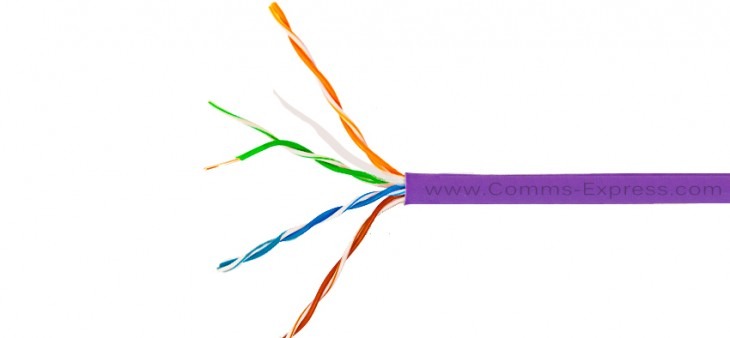
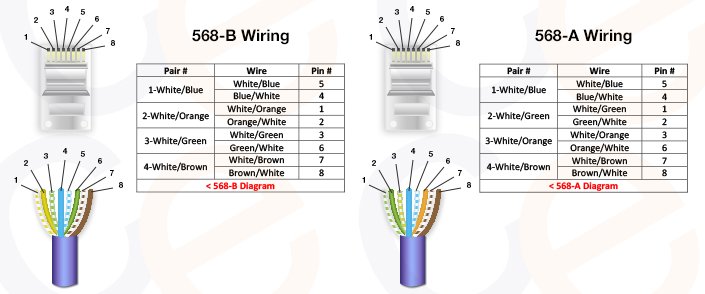
A Cat5e wiring diagram will show how a Category 5e cable usually comprises eight wires, which are twisted into four pairs. The twists counteract interference. A Cat5e cable has improved its twist ratio compared to a Cat5. This enhanced cable is used for various installations, including crossover and patch cabling. Ethernet cable wiring is based on standards to achieve optimal performance. Two common Cat5e cable wiring schemes, 568A and 568B, are used with an 8-position connector like an RJ45. The A and B standards are similar, and both Cat5e wiring schemes establish a connection for reliable Ethernet applications.
Key Takeaways:
- Cat5e supports Gigabit Ethernet speeds (up to 1,000 Mbps).
- Choose between solid (permanent runs) or stranded (flexible) cable.
- Two wiring schemes (T568A and T568B) ensure reliable connections.
Q: What type of cable is Cat5e and what is it used for?
A: Cat5e (Category 5 enhanced) cabling is the workhorse of modern networks. It supports Gigabit Ethernet speeds, making it ideal for data transfer, multimedia applications, and connecting network devices. This guide explores Cat5e wiring basics, including cable types and the two common wiring schemes (T568A & B) used for optimal performance.
Cat5e Wiring Diagrams
Cat5e Wiring Basics
Network installers and enthusiasts alike know the importance of a solid foundation. That’s where Cat5e cabling comes in. But mastering this technology goes beyond just plugging in cables. This guide dives deep into the essentials of Cat5e, equipping you with the knowledge to select the right cables, terminate them like a pro (with the perfect wiring scheme), and optimize your network for flawless data transmission. Bulk-stranded cable is sold in various colours and used to make patch cords.
Cat5e Cable Installations
Popular Cat5e cable consists of pairs of twisted copper wire that are often terminated in RJ45 connectors. An RJ45 modular plug can be installed on a CAT5e cable by rearranging the conductor pairs beneath the cable jacket into a specific colour sequence. The pairs are then inserted into the plug. Category 5e specifications designate the maximum amount of twist and cable jackets that should be removed during installations.
Cat5e cables, the workhorses of many wired networks, are more than just colourful wires. Each cable contains four twisted copper pairs, designed to minimize electrical interference and ensure reliable data transmission. But how do these pairs connect to your devices? That’s where the RJ45 connector, often called an “Ethernet jack,” comes in.
Think of the RJ45 connector as the translator for your network. To create a seamless connection, the coloured wires inside the Cat5e cable need to be arranged in a specific order and then carefully inserted into the jack. Here’s where it gets interesting: there are actually two industry-standard wiring schemes, T568A and T568B. Both achieve the same goal, but using the correct one is crucial for proper communication between devices.
Cat5e specifications also define critical measurements for cable preparation. The amount of cable jacket removed and the twist length of the copper pairs directly impact signal quality. Following these guidelines ensures a clean and secure termination, minimizing the risk of connection issues.
In essence, Cat5e termination is the secret handshake that allows your devices to talk to each other. By understanding the components (wires, jacks, and wiring schemes) and following best practices, you can create a reliable and efficient wired network.
Cat5e Cable Wiring: Frequently Asked Questions
What is Cat5e cable and what is its maximum speed? Cat5e (Category 5 enhanced) is a twisted-pair network cable designed for high-signal integrity. It is the industry workhorse for local area networks (LANs), supporting data transfer speeds up to 1,000 Mbps (Gigabit Ethernet). It features an improved twist ratio over the original Cat5, which significantly reduces crosstalk and interference.
What is the difference between T568A and T568B wiring schemes? T568A and T568B are the two industry-standard color-coded patterns used to terminate RJ45 connectors. While they are functionally identical in terms of performance, they differ in the placement of the green and orange pairs. For a standard “straight-through” cable, you must use the same scheme at both ends. T568B is the most common standard used in modern commercial and residential installations.
When should I use solid vs. stranded Cat5e cable?
- Solid Cat5e: Best for permanent installations, such as wiring inside walls or under floors. It offers better performance over long distances but is less flexible.
- Stranded Cat5e: Highly flexible and ideal for making patch leads that connect computers to wall outlets or switches. It is designed to withstand frequent bending without breaking the internal copper conductors.
How much of the cable jacket should I remove during termination? To maintain signal quality and meet Cat5e specifications, you should remove as little of the outer jacket as possible—typically around half an inch (12-15mm). Removing too much jacket or untwisting the internal pairs more than necessary can lead to increased interference and reduced network speeds.
Can I use Cat5e for Power over Ethernet (PoE)? Yes, Cat5e is fully compatible with standard PoE applications, such as powering IP cameras, Wireless Access Points, and VoIP phones. Because it uses 24 AWG copper wires, it can efficiently deliver both data and power over a single cable up to 100 meters.
Shop the Full Range at Comms Express
Browse the UK’s most trusted brands and high-performance infrastructure solutions.
- Cabling & Racks
- Buy Network Cables
- Shop RJ45 Patch Leads
- Buy Patch Panels
- Shop Cat6 Cable
- Buy Fibre Patch Leads
- Shop Server Racks
- Buy Data Cabinets
- Networking & Power
- Shop Network Switches
- Buy UPS Systems
- Shop Rack PDUs
- Buy IP CCTV & Cameras
- Offers & Savings
- Shop Discounts
- Buy Multi-Buy Offers
- Our Top Brands
- Shop Ubiquiti | Buy TP-Link
- Shop Cisco | Buy Netgear
- Shop DrayTek | Buy D-Link
- Shop HPE Aruba | Buy APC
- Shop Teltonika | Buy Eaton
- Shop Excel | Buy Lindy
- Own Brands
- Shop Datacel | Buy CE Networking
Project Planning? Get expert technical advice and custom quotes for large installations. Contact our expert sales team today.