
Key Takeaway: VoIP (Voice over Internet Protocol) is a technology that allows you to make and receive voice calls over the internet rather than a traditional analogue phone line.
-
It converts voice signals into digital data packets, transmits them via an internet connection, and reassembles them at the destination.
-
It consolidates voice and data onto a single network, significantly reducing overhead costs and enabling remote work flexibility.
-
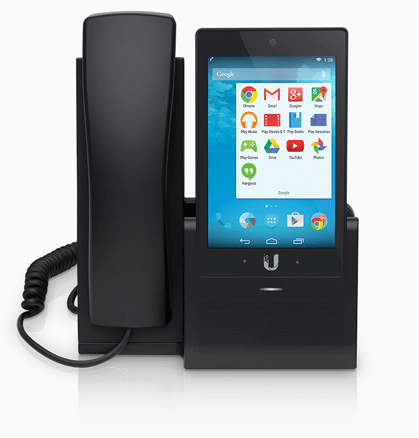
High-speed internet, VoIP-enabled handsets (IP Phones), or Analogue Telephone Adapters (ATA) for existing hardware.
How does VoIP work for business?
-
VoIP replaces physical copper phone lines with digital data transmission over your existing broadband.
-
VoIP stands for Voice over Internet Protocol. It is also referred to as Internet Telephony or Voice over the Internet (VoI).
-
Unlike traditional PSTN lines that require a dedicated circuit, VoIP breaks your voice into small digital packets. These packets travel across the internet and are converted back into audio at the receiver’s end instantly.
-
Because it uses your existing internet bandwidth, there is no need for separate phone line rental for every desk, making it highly scalable for growing teams.
In summary, VoIP is a technology that allows the transmission of telephone communications through the Internet Protocol. It offers numerous benefits, including cost savings, enhanced security, and privacy. VoIP solutions are not limited to consumers and businesses but also include enterprise-grade systems with advanced features. Comms Express offers support for a wide range of voice communication systems.