
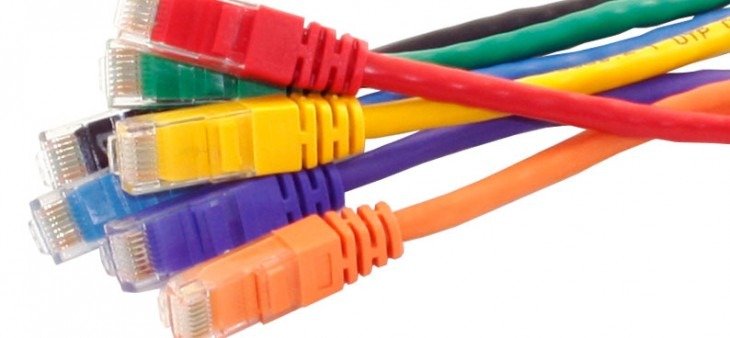
This article provides a comprehensive overview of patch lead cable terminology, drawing information from Comms Express. It aims to clarify the various terms and specifications associated with patch leads, ensuring a better understanding of selecting the appropriate cables for networking needs.
Understanding Patch Lead Cable Terminology – Buy RJ45 Ethernet Cables at Comms Express
Patch leads, also known as patch cables, are essential components in networking infrastructure. They are used to connect devices such as computers, servers, routers, and switches within a local area network (LAN). Understanding the terminology associated with patch leads is crucial for selecting the right cables for specific applications and ensuring optimal network performance.
Cable Categories
Cable categories define the performance characteristics of the cable, including bandwidth and data transfer speeds. The higher the category, the better the performance. Common categories include:
- Cat5e: Supports bandwidth up to 100 MHz and data transfer speeds up to 1 Gbps. Suitable for basic networking needs.
- Cat6: Supports bandwidth up to 250 MHz and data transfer speeds up to 1 Gbps. Offers improved performance and reduced crosstalk compared to Cat5e.
- Cat6a: Supports bandwidth up to 500 MHz and data transfer speeds up to 10 Gbps. Designed for high-performance networks and demanding applications.
- Cat7: Supports bandwidth up to 600 MHz and data transfer speeds up to 10 Gbps. Features individual shielding for each twisted pair, providing excellent noise immunity.
- Cat7a: Supports bandwidth up to 1000 MHz and data transfer speeds up to 10 Gbps. An enhanced version of Cat7 with even better performance.
- Cat8: Supports bandwidth up to 2000 MHz and data transfer speeds up to 25/40 Gbps. Designed for short-distance, high-bandwidth applications in data centers.
Shielding
Shielding refers to the protective layer around the cable conductors that reduces electromagnetic interference (EMI) and radio frequency interference (RFI). Common shielding types include:
- UTP (Unshielded Twisted Pair): No shielding. Suitable for environments with low EMI/RFI.
- STP (Shielded Twisted Pair): Features a foil shield around each twisted pair. Provides better protection against EMI/RFI than UTP.
- FTP (Foiled Twisted Pair): Features a foil shield around all twisted pairs. Offers good protection against EMI/RFI.
- S/FTP (Shielded/Foiled Twisted Pair): Features both a foil shield around each twisted pair and an overall braid or foil shield. Provides the best protection against EMI/RFI.

Cable Construction
The construction of a patch lead cable affects its flexibility, durability, and performance. Key aspects of cable construction include:
- Conductor Material: Typically copper or copper-clad aluminium (CCA). Copper offers better conductivity and performance.
- Conductor Gauge: Measured in American Wire Gauge (AWG). Lower AWG numbers indicate thicker wires, which offer better performance and lower signal loss.
- Jacket Material: Typically PVC (polyvinyl chloride) or LSZH (low smoke zero halogen). LSZH jackets are preferred in environments where fire safety is a concern, as they produce less smoke and toxic fumes when burned.
- Stranded vs. Solid Conductors: Patch leads typically use stranded conductors for flexibility, while solid conductors are used for permanent installations.
Connectors
Connectors are used to terminate the ends of patch leads and connect them to devices. The most common connector type is the RJ45 connector. Key aspects of connectors include:
- Connector Type: RJ45 is the standard connector for Ethernet patch leads.
- Connector Plating: Gold plating on the connector contacts improves conductivity and corrosion resistance.
- Boot Type: Boots protect the connector and cable from damage and strain. Common boot types include snagless boots and molded boots.
Length
Patch lead length is an important consideration. Cables that are too long can experience signal degradation, while cables that are too short may not reach the desired connection point. Standard patch lead lengths range from 0.5 meters to 30 meters.
Color Coding
Patch leads are often color-coded to help with cable management and identification. Different colours can be used to distinguish between different types of connections or network segments.
Standards Compliance
Patch leads should comply with relevant industry standards, such as:
- TIA/EIA-568: Telecommunications Industry Association/Electronic Industries Alliance standard for cabling systems.
- ISO/IEC 11801: International Organisation for Standardisation/International Electrotechnical Commission standard for cabling systems.
- RoHS: Restriction of Hazardous Substances directive, which restricts the use of certain hazardous materials in electrical and electronic equipment.
Key Terminology Summary
- Bandwidth: The range of frequencies a cable can transmit. Measured in MHz.
- Data Transfer Rate: The speed at which data can be transmitted over the cable. Measured in Gbps.
- Crosstalk: Interference between adjacent wires in a cable.
- Attenuation: The loss of signal strength over the length of the cable.
- Impedance: The resistance to the flow of alternating current in the cable. Measured in ohms.
- Return Loss: The amount of signal reflected back to the source due to impedance mismatches.
Choosing the Right Patch Lead
When selecting patch leads, consider the following factors:
- Application: Determine the specific application and the required bandwidth and data transfer speeds.
- Environment: Consider the environment in which the cable will be used and choose a cable with appropriate shielding and jacket material.
- Distance: Select a cable length that is appropriate for the distance between devices.
- Budget: Balance performance requirements with budget constraints.
Conclusion
Understanding patch lead cable terminology is essential for selecting the right cables for networking needs. By considering the cable category, shielding, construction, connectors, length, and standards compliance, you can ensure optimal network performance and reliability. This document provides a foundation for making informed decisions when purchasing and using patch leads.
Copper Connectivity & Ethernet Cables
Buy your Patch leads from Comms Express today! Or call our sales team 0800 488 0000 for expert advice.
- Cable Standards
- Shop Cat5e RJ45 LeadsUp to 1Gbps. Available in booted, shielded, and flat.
- Buy Cat6 RJ45 Patch LeadsHigher performance with better shielding (250MHz).
- Shop Cat6A 10Gbps LeadsEnhanced shielding for high-performance networks.
- Specialist Connectivity
- Shop PatchSee Optical LeadsFeatures optical identification for easy tracing.
- Buy Neutrik etherCON LeadsRugged connectors for audio, video, and stage use.